
Back Spasms After a Car Accident: The Causes, Warning Signs and Treatment Options in Toronto
A car accident can happen in seconds, but the physical effects may become noticeable over hours or days. You may leave the scene able to move, then feel your lower, middle or upper back tighten later, and the muscles may feel knotted, cramped or difficult to relax.
For some people, the discomfort comes and goes, and for others, it becomes more noticeable when sitting, standing, bending or changing position.
Back spasms after a car accident may occur when muscles tighten in response to strain, irritation or changes in movement following the collision.
A spasm can be painful, but the symptom alone cannot show which tissues are involved or how serious the problem may be, and several conditions can create similar sensations, so an assessment may help clarify what is contributing to the pain.
This guide explains possible causes of post-accident back spasms, signs that require urgent medical attention, what a clinical assessment may involve and the treatment options available in Toronto.
If back spasms are affecting your daily life after a car accident, don’t wait for them to resolve on their own.
CALL us on (416) 479 – 8311 TODAY or simply book online below
What Is a Back Muscle Spasm?

A back muscle spasm is an involuntary tightening or contraction of one or more muscles., and it may feel like a cramp, a hard knot, a pulling sensation or a sudden tightening that makes movement uncomfortable. The spasm may last for a brief period or return during certain activities.
Back muscle spasms can occur in the lower back, through the middle of the back or around the upper back and shoulder blades, and they may happen with aching, tenderness, stiffness or reduced movement.
HealthLink BC lists muscle spasms among the symptoms that can occur with low back pain, along with numbness, tingling or weakness in some cases.
The term “back spasm” describes a symptom rather than a diagnosis, and it does not explain whether the discomfort comes mainly from a muscle strain, irritated joint, disc-related problem, nerve irritation or another condition.
The pain intensity also does not reliably identify the cause, so healthcare professionals consider the accident, the symptoms, the person’s health and the assessment findings together.
Why Can Back Spasms Happen After a Car Accident?

A collision can expose the body to sudden forces, even when the vehicle damage appears limited. The reason for a back spasm will vary from person to person. The direction of impact, body position, previous health conditions and activities after the accident can all affect the symptoms.
Muscles may tighten after a sudden movement
During a collision, the body may move forward, backward, sideways or in more than one direction. Muscles can tighten in response to this unexpected movement. The tension may make bending, turning or changing positions feel difficult for a time.
This response does not automatically mean that severe damage has occurred. It also does not rule out an injury that needs attention. The full symptom pattern and clinical findings matter more than the presence of a spasm by itself.
Muscles and other soft tissues may be strained
Sudden stretching or loading may irritate muscles and surrounding soft tissues. A strain may contribute to soreness, tenderness, stiffness and intermittent spasms. The discomfort may change with activity and may become more noticeable after the initial stress of the accident has passed.
Soft-tissue symptoms do not always appear clearly on a standard X-ray. This does not mean that every person needs advanced imaging. It means the practitioner must combine the health history and physical assessment with imaging or medical referral only when the findings support it.
Spinal joints and surrounding tissues may become sensitive
The joints of the spine work with muscles, ligaments and other tissues to support movement. After a sudden force, an area may feel sensitive or move less comfortably. Nearby muscles may tighten, especially when the person tries to bend, twist or return to a demanding activity.
An online description cannot identify which joint or tissue is involved. A hands-on assessment may help determine where movement is limited, which activities reproduce symptoms and whether referral is needed.
A disc or nerve may contribute to the symptoms
Some people experience symptoms connected with a spinal disc or nerve after trauma. Pain that travels into an arm or leg, or occurs with numbness, tingling or weakness, may involve more than muscle tension. These symptoms should be assessed rather than labelled through an online checklist.
It is also possible to have leg symptoms from a back condition without severe pain directly in the back. Tell the practitioner about all changes in sensation, strength and movement, not only the location of the spasm.
Pain may change the way you move
When movement hurts, people often brace their body, shorten their stride, sit differently or avoid turning. These changes may help them feel safer in the moment, but they can also increase stiffness and muscle tension. Long periods of sitting while managing insurance calls, vehicle repairs or time away from work may add to the discomfort.
Symptoms may begin later
Back spasms can begin immediately or become noticeable later. Activity, sleep, muscle tension and changes in movement can affect when someone first notices a symptom. Delayed discomfort does not prove that the condition is minor or serious. It is one part of the history that a clinician will consider.
What Can Back Spasms After an Accident Feel Like?
People describe post-accident back spasms in different ways, and common descriptions include:
- Sudden tightening in the lower, middle or upper back
- A cramping, gripping or pulling sensation
- A hard or knotted area in the muscles
- Aching or tenderness around the affected area
- Stiffness when getting out of a chair or bed
- Discomfort when bending, turning or changing positions
- Symptoms that come and go with activity
- Difficulty staying in one position for long
- Pain that disrupts sleep, work or regular routines
Tell your provider if the pain travels into an arm or leg, or if you notice numbness, tingling, weakness, balance changes or reduced control of movement. Those details can influence the urgency and direction of the assessment.
When Do Back Symptoms Require Immediate Medical Attention?
Most muscle spasms do not automatically point to a medical emergency. A car accident can cause injuries beyond a routine strain, so certain symptoms require immediate assessment.
Call 911 or seek emergency medical care after a collision if you experience:
- Severe back or neck pain with difficulty moving
- New weakness or loss of movement in an arm or leg
- New or worsening numbness or tingling in the arms, legs or body
- Loss of bladder or bowel control
- Loss of sensation
- Trouble standing or walking after the injury
- Fainting, confusion, breathing difficulty or severe chest pain
- Symptoms that suggest a possible spinal or head injury
Do not use a routine wellness-clinic appointment as a replacement for emergency care. HealthLink BC advises urgent assessment when a back injury causes severe pain, weakness, numbness, loss of movement or bladder or bowel changes.
When Should You Arrange a Non-Emergency Assessment?
Consider arranging an assessment when back spasms continue, keep returning or interfere with sleep, work or daily activities, so an assessment may also be appropriate when movement becomes limited, pain is getting worse, symptoms travel to another area or you feel uncertain about returning to work, driving or exercise.
You do not need to decide which treatment you require before the appointment. The purpose of the first assessment is to review what happened, screen for concerns and decide whether care, monitoring, imaging or medical referral may be appropriate treatment after a car accident.
What Happens During a Car Accident Injury Assessment?
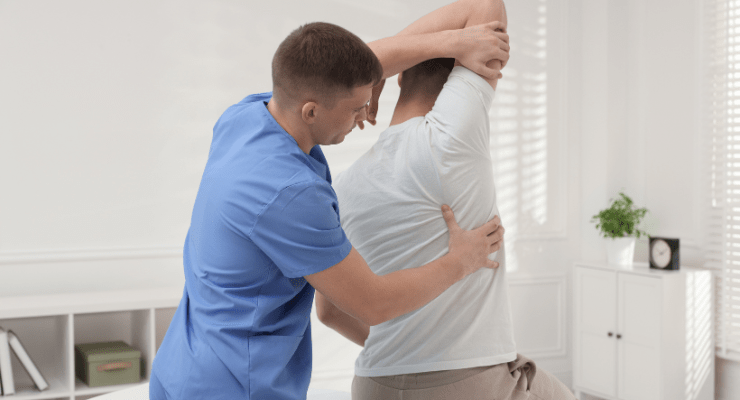
A careful assessment begins with your history, and Dr. Kris may ask about the direction and type of collision, where you were sitting, when the spasms began and what makes them better or worse. He may ask about previous back problems, current health conditions, medications and changes in sleep, work and regular activity.
The physical assessment will depend on the regulated professional and your symptoms, and it may include:
- Observation of posture and movement
- Comfortable range-of-motion testing
- Strength testing
- Assessment of tender or sensitive areas
- Basic screening
- Functional movements related to work and daily life
He will explain what is being assessed and obtain your consent before treatment. If a movement feels uncomfortable, say so. The goal is to gather useful information without forcing a test or treatment beyond your comfort.
Not everyone needs an X-ray or another form of imaging. X-rays can show bones and certain structural findings, but they do not show every possible source of soft-tissue pain.
A clinician may recommend imaging or medical referral when the history or examination indicates that more investigation is needed, and Core Wellness Centre offers in-house X-rays only when clinically indicated.
The assessment should lead to a clear next step, that may involve a personalized care plan, monitoring or referral.
Treatment Options for Back Spasms After a Car Accident
Treatment depends on the assessment findings, the stage of recovery, your health and the activities you need to return to, as two people with similar pain locations may need different care. A plan should match your needs and change as your symptoms and function change.
Physiotherapy
Physiotherapy may form part of a motor vehicle accident rehabilitation plan. Our physiotherapists can assess movement, strength and function, then recommend care based on the findings. A plan may include education, comfortable mobility work, gradually introduced exercises, manual techniques and guidance for returning to work or regular activities.
The first goal is not to push through severe pain. It is to find a suitable starting point and build from there. As movement becomes more comfortable, the plan may progress toward strength, endurance and tasks that matter in daily life. Reassessment helps the physiotherapist decide when to adjust the exercises or seek another clinical opinion.
Core Wellness Centre also offers services such as cold laser therapy and shockwave therapy. The suitability of any modality depends on the individual assessment. The equipment should support a clear care goal rather than replace clinical reasoning, active rehabilitation or referral when needed.
Chiropractic care
Our chiropractor Dr. Kris, may assess spinal movement, joint function, muscle tension and the effect of symptoms on daily activities. Depending on the findings and patient preference, care may include manual treatment, mobility work, exercises and education about day-to-day movement.
No single technique suits every accident injury, with screening for concerns, explaining the proposed approach, and discussing alternatives when the symptoms fall outside routine chiropractic management.
Registered Massage Therapy
Registered massage therapy (RMT) may be considered when muscle tension, tenderness or restricted comfortable movement forms part of the symptom pattern. The RMT can adapt pressure, position and technique to the person’s comfort and stage of recovery.
Massage therapy should not be presented as a way to diagnose the source of pain or repair every injured tissue. It may form one part of a broader plan that includes assessment, movement and follow-up.
Osteopathy and Other Clinic Services
Some patients may discuss osteopathy manual care or another clinic service as part of their plan. The provider should explain why a service is being considered, what goal it supports, what alternatives exist and how progress will be reviewed.
Movement and Home-care Guidance
After a car accident, the right level of activity depends on the injuries and assessment findings. A practitioner may suggest short movement breaks, comfortable range-of-motion work, pacing daily tasks or temporary changes to sitting and sleeping positions.
Heat or cold may help some people manage discomfort, but personal health conditions can affect whether either option is suitable. Ask a healthcare professional if you are unsure.
How Long Do Back Spasms Last After a Car Accident?
There is no single recovery timeline for back spasms after a car accident. Duration can depend on the tissues involved, symptom severity, previous injuries, general health, sleep, work demands and response to care.
Some people notice that symptoms settle over a shorter period, while ohers need a longer period of rehabilitation, especially when pain affects strength, mobility or the ability to work. A clinician should review more than pain alone, so that comfortable movement, daily function, sleep and confidence with activity can all help show whether the plan is moving in the right direction.
Car Accident Treatment and Insurance in Ontario
Ontario’s Statutory Accident Benefits may provide financial support for medical and rehabilitation care following an auto accident, regardless of who caused the collision. The available benefits, forms and claim process depend on the insurance policy and the circumstances of the accident.
Contact your insurer promptly and ask which steps and forms apply to your claim. Core Wellness Centre offers direct billing to many insurance providers and can help facilitate motor vehicle accident claims. Coverage is not guaranteed, so confirm your benefits and any approval requirements before beginning care.
Frequently Asked Questions About Back Spasms After a Car Accident
Can a minor car accident cause back spasms?
Back pain and muscle tightness can occur after different types of collisions, including crashes that cause limited vehicle damage. Vehicle damage alone does not show how a person’s body was affected. The same is true in the other direction: a spasm does not prove that a serious injury occurred. An assessment looks at the collision history, symptoms and clinical findings together.
Why did my back spasms start several days later?
Symptoms may become more noticeable as activity, sleep and muscle tension change after the accident. People may also move differently because another area feels sore. Delayed symptoms are worth reporting, but the timing alone cannot identify the cause. Record when the spasms began, where you feel them and which movements affect them so you can give the practitioner a clear history.
Are back spasms the same as whiplash?
No. Whiplash usually describes a neck injury related to rapid movement of the head and neck. A back spasm describes involuntary muscle tightening. A person may experience neck pain, back spasms or both after the same collision, but the terms are not interchangeable. Tell the provider about symptoms in the neck, shoulders, back, arms and legs so the assessment covers the full pattern.
Should I see a chiropractor or physiotherapist?
The best starting point depends on your symptoms, goals and assessment findings. Physiotherapists often focus on movement, strength and functional rehabilitation. Chiropractors may assess spinal and joint function and provide manual or movement-based care. There is overlap between the professions, and either may refer or coordinate care. A multidisciplinary clinic can help direct you to the most suitable regulated provider.
Will an X-ray show what is causing the spasms?
An X-ray can show bones and certain structural changes, but it does not display every muscle, ligament, disc or other soft-tissue condition. This is why imaging does not replace a health history and physical assessment. A clinician decides whether an X-ray, another form of imaging or a medical referral is appropriate based on the findings.
Can I exercise while experiencing back spasms?
Activity advice should reflect the accident, symptoms and assessment. Complete rest for long periods is not usually the goal for routine low back pain, but a recent collision may involve injuries that change what is suitable. Ask a qualified healthcare professional about safe movement and progression. Stop and seek guidance if an activity causes new weakness, numbness, radiating pain or a clear worsening of symptoms.
Not sure what’s causing your pain? A thorough assessment at Core Wellness Centre can help you understand what’s going on and find the right path to relief. We offer Direct Billing and facilitate WSIB and MVA Claims
CALL us on (416) 479 – 8311 TODAY
Get Back Pain Assessed at Core Wellness Centre in Toronto
Back spasms after a car accident can feel unsettling, especially when they start later or interfere with sleep, work and movement. The symptom may relate to muscle strain, sensitive joints, changes in movement or another condition. A webpage cannot identify the cause, but a clinical assessment can help determine the next step.
Core Wellness Centre is a multidisciplinary clinic at 726 St. Clair Avenue West in Toronto. We offer chiropractic care, physiotherapy, registered massage therapy, osteopathy and in-house X-rays when clinically indicated. Our team also offers direct billing and can help facilitate MVA claims.
If you are experiencing non-emergency back spasms or back pain after a car accident, call Core Wellness Centre at (416) 479-8311 or use the online booking option to ask whether an assessment is appropriate for you.
Educational disclaimer: This article provides general information and does not provide a diagnosis or replace individual medical advice. Call 911 or seek emergency care for severe or rapidly worsening symptoms after a collision.
Sources and References
HealthLink BC. Low Back Pain.
https://www.healthlinkbc.ca/healthwise/low-back-pain
HealthLink BC. Back Problems and Injuries.
https://www.healthlinkbc.ca/healthwise/back-problems-and-injuries
HealthLink BC. Upper and Middle Back Pain.
https://www.healthlinkbc.ca/healthwise/upper-and-middle-back-pain
Financial Services Regulatory Authority of Ontario. After an Accident: Understanding the Claims Process. https://www.fsrao.ca/consumers/auto-insurance/protect-yourself/after-accident-understanding-claims-process
College of Physiotherapists of Ontario. Advertising and Marketing Standard.
https://collegept.org/standard/advertising-and-marketing-standard/
College of Chiropractors of Ontario. Communication to the Public.
https://cco.on.ca/cco-resources/s-016-communication-to-the-public/