
Whiplash can change the course of your days in a single moment. Often caused by a sudden backward-and-forward motion of the head, commonly after a rear-end collision, a contact sport, or another forceful impact.
Whiplash sets off a cascade of strain through the neck’s muscles, ligaments and small joints. The result is not only neck pain and stiffness, but sometimes headaches, dizziness, memory problems, sleep disturbance and a general reduction in quality of life.
If you are in Toronto and facing the aftermath of a neck injury, it helps to know how whiplash is assessed, what treatment and rehabilitation involve, and how a coordinated, patient-centred approach supports recovery.
Are You Suffering With Neck Pain After An Accident?
Book an Assessment Today. We offer Direct Billing and facilitate WSIB and MVA Claims. CALL us on (416) 479 – 8311 TODAY
or simply book online below
Understanding Whiplash and How it Affects You

Whiplash is an umbrella term for soft-tissue injury to the neck, often labelled clinically as Whiplash Associated Disorder (WAD). Although many people recover within weeks, some develop persistent symptoms that interfere with work, recreation and daily activities.
Injuries range from mild muscle soreness to more complex presentations involving ligament sprain, joint irritation or nerve tension.
Symptoms may appear immediately after the incident or develop gradually over days as inflammation and muscle guarding increase.
Early symptoms typically include:
Neck pain and stiffness, headaches, frequently tension-like, limited range of motion, tenderness around the neck and shoulders, and sometimes pain or tingling that radiates into the arms.
Non-specific complaints such as fatigue, concentration difficulties and sleep disruption are common and reflect both the mechanical injury and the body’s stress response, and prompt assessment matters because the pattern of initial care can influence recovery.
Seeking an experienced neck-injury clinician for a timely evaluation helps ensure appropriate treatment and reduces the risk of long-term problems.
How whiplash is identified and diagnosed
Diagnosis begins with a careful history and a targeted physical examination. Clinicians ask about the mechanism of injury, the timing and progression of symptoms, previous neck issues, and any neurological signs like numbness or weakness, and the physical exam focuses on neck range of motion, muscle tenderness, joint mobility, neurologic testing for the arms and hands, posture, and movement patterns.
Imaging, X-ray or MRI, is not always necessary but may be ordered when red flags are present, such as a suspected fracture, dislocation, significant neurological compromise, or atypical recovery.
Imaging is also useful when symptoms persist despite conservative care, and key signs that require urgent specialist attention include progressive weakness or numbness, severe unrelenting pain, changes in bladder or bowel function, or evidence of head injury.
Treatment approaches used in Toronto clinics

At Core Wellness Centre in Toronto, we use a range of evidence-informed approaches to manage whiplash.
Care is typically multimodal and individualized, such as manual therapy, therapeutic exercise, soft-tissue techniques, education, and activity modification are combined to match the person and the stage of recovery.
Manual therapy:
Provided by our physiotherapists or chiropractors, can reduce joint stiffness, decrease pain and improve mobility.
Techniques include joint mobilizations, gentle manipulations, and hands-on soft-tissue work aimed at restoring normal cervical movement, and these hands-on interventions are most effective when paired with active rehabilitation so gains are maintained and function is restored.
Physiotherapy:
Concentrates on restoring movement, strength and function through individualized exercise programs, progressive loading, and motor control training, and our physiotherapists teach range-of-motion exercises, isometric and progressive strengthening of the deep neck flexors and scapular stabilizers, and functional or sport-specific drills as recovery progresses.
Chiropractic care:
Emphasizes spinal alignment and joint function. Adjustments and mobilizations can relieve joint irritation, improve mobility, and reduce pain. Many patients benefit from collaborative care in which chiropractors and physiotherapists coordinate treatment—combining hands-on techniques with active exercise for the best results.
Registered Massage Therapy (RMT):
Targets soft tissue to reduce muscle tension, improve circulation, and address trigger points that contribute to pain and restricted movement. Massage is often helpful in the early stages to ease muscle spasm and promote relaxation, and it supports rehabilitation when used alongside exercise and manual therapy.
Rehabilitation through stages:
Rehabilitation after whiplash is staged. The initial phase focuses on symptom control, safe movement, and education aimed at reducing fear and encouraging active participation, and patients are taught gentle range-of-motion exercises and strategies for managing symptoms, including posture advice and pacing activities to avoid overexertion.
As pain decreases and mobility improves, the program shifts toward strengthening and motor control. Strengthening exercises target the deep neck flexors, upper back and shoulder stabilizers to improve posture and reduce strain.
Motor control exercises retrain how muscles coordinate during movement, because whiplash can disrupt normal neuromuscular patterns and leave muscles tense or underused.
Later phases emphasize graded return-to-activity, including workplace modifications, increased driving tolerance, sport-specific conditioning, and functional training, and our clinicians continuously reassess and progress exercises based on goals and symptom response. The aim is to restore daily function and prevent recurrence by teaching self-management strategies and maintenance routines.
Personalized care plans and prevention
Because whiplash affects individuals differently, personalized rehabilitation is essential. A comprehensive assessment identifies deficits in strength, mobility and function and establishes measurable goals, and our education helps patients understand the injury and expected recovery timeline, which supports adherence to the rehabilitation plan.
Prevention strategies are part of long-term planning. Proper car headrest positioning and driving posture, ergonomic workstation setup, and ongoing neck and upper-body conditioning reduce the risk of future injury, and for those who drive frequently or play contact sports, targeted conditioning and protective habits will build resilience.
Choosing a Whiplash Specialist in Toronto
Choosing the Right Care Team for Your Recovery
Finding the right clinician goes beyond checking credentials. Yes, experience with neck injuries matters, but what really makes a difference is having access to a complete care team.
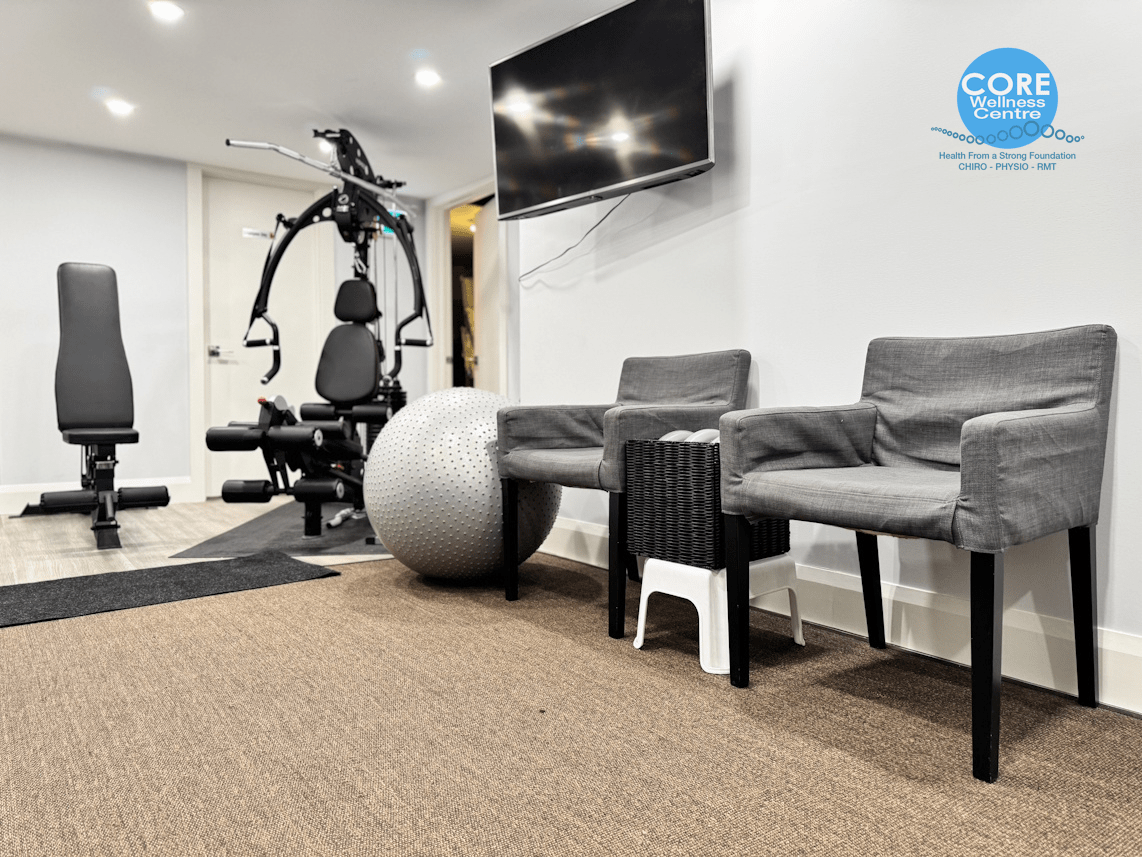
At Core Wellness Centre, we believe recovery happens faster when physiotherapy, chiropractic care, osteopathy and RMT registered massage therapy work together under one roof.
When you’re evaluating a clinic, look for practitioners who take time to really understand your injury. They should walk you through their assessment findings, explain why they’re recommending specific treatments, and give you clear goals to work toward. A solid home exercise program isn’t optional, it’s essential for lasting results.
The practical details matter too. Before your first visit, it’s worth asking about billing practices and whether the clinic offers direct billing (we do, by the way). If your injury is vehicle-related, find out how the clinic supports insurance claims and WSIB facilitation.
Patient reviews give you a sense of a clinic’s reputation, and the real deciding factor is whether you feel heard, understood, and confident in your treatment plan.
Navigating Insurance and Paperwork Without the Stress
Dealing with insurance after an injury can feel overwhelming. That’s why working with a clinic that knows the local insurance landscape inside and out makes such a difference.
At Core Wellness Centre, our direct billing takes the administrative burden off your shoulders, and proper documentation (clinical notes, treatment plans, progress reports) keeps your claim moving smoothly while ensuring continuity of care.
Not sure what your coverage includes? Just ask. Our team at Core Wellness Centre is here to clarify your benefits and help with any necessary paperwork so you can focus on getting better, not wrestling with forms.
Why Team-Based Care Gets Better Results
Here’s what sets multidisciplinary care apart: when your chiropractor, physiotherapist, and RMT actually talk to each other and coordinate your treatment, you avoid the frustration of fragmented care. Everyone’s on the same page about your goals, and if progress stalls, adjustments happen quickly.
This team approach means every treatment session builds on the last one. Your chiropractor’s adjustments support your physio exercises, and your massage therapy helps both work more effectively. Clinics using this model consistently see higher patient satisfaction and smoother returns to work, sports, and daily activities.
What Research Tells Us About Recovery
The evidence is clear: early, coordinated care leads to better outcomes after whiplash and other neck injuries. Studies show that recovery timelines vary significantly depending on how quickly treatment starts and which providers are involved from the beginning.
While no single treatment works for everyone (and the research continues to evolve), the combination of manual therapy, active rehabilitation, and patient education consistently outperforms passive care alone.
At Core Wellness Centre, we stay current with this research and apply it practically, designing programs that match where you are in your recovery and what your body needs right now.
Lifestyle and self-care that support recovery
Self-care complements professional treatment, to maintain gentle neck movement, follow home exercise instructions, pace activities and gradually increase demands.
Improve sleep posture and ergonomics, stay hydrated, and eat a balanced diet to support tissue repair. Stress-reduction techniques – breathing exercises, mindfulness and relaxation – can decrease muscle tension and improve pain tolerance.
Practical tips for driving and work
Adjust your car headrest so the top aligns with the top of your head and keep it close to the back of your head; this reduces the backward travel of the head in a rear impact. For work, position your monitor at eye level, use a chair with lumbar support, and take frequent movement breaks to avoid stiffness. Regular mobility breaks and ergonomic setup help maintain neck health over time.
When to expect improvement and next steps if you don’t
Many people notice improvement within two to six weeks when following an appropriate program. For those who recover more slowly, ongoing pain three months after injury requires a broader evaluation of physical, psychological and social contributors.
Our clinicians may recommend further diagnostic testing, an adjusted rehabilitation plan, or entry into an interdisciplinary program that combines physiotherapy with pain management strategies.
The role of psychosocial factors
Recovery is influenced by how you interpret pain, your emotional response, workplace stressors and social supports. Clinicians who assess and address fear of movement, activity avoidance and realistic goal-setting use cognitive-behavioural strategies and graded activity to reduce the risk that pain becomes chronic.
Addressing these factors early often improves outcomes.
Nutrition, sleep and general health
Good nutrition and restorative sleep support tissue healing and resilience. Anti-inflammatory foods, adequate protein and vitamins, and proper hydration assist repair.
Sleep disturbance is common after whiplash; improving sleep hygiene and using supportive pillows or positional strategies can lessen the impact on recovery.
When additional specialist care may be needed
Most whiplash cases respond to conservative management. Referral to medical specialists, pain clinics or surgical teams is appropriate when progressive neurologic deficits are present, pain remains severe and refractory to multidisciplinary care, or there are complex psychosocial barriers to recovery.
Core Wellness Centre As Your Whiplash Specialist

Core Wellness Centre begins every whiplash pathway with a comprehensive initial assessment that captures the injury history, functional limitations, and any red flags requiring urgent attention.
Typical care pathways at Core Wellness Centre combine a physiotherapy-led exercise program to restore mobility and motor control with targeted manual therapy or chiropractic adjustments to address joint mechanics, and registered massage therapy to reduce muscle tension and improve soft-tissue recovery.
Our clinic’s practitioners communicate frequently with each other, in sharing findings, tracking progress, and adjusting the plan together, so that treatment remains coordinated and efficient.
Core Wellness Centre also supports patients with insurance documentation and direct-billing where available, reducing administrative burden and helping keep the focus on rehabilitation.
Still Dealing With Neck Pain After An Accident?
Book an Assessment Today. We offer Direct Billing and facilitate WSIB and MVA Claims. CALL us on (416) 479 – 8311 TODAY
or simply book online below
Common questions answered
When should I seek assessment?
Seek assessment if you have significant neck pain, restricted movement, persistent headaches, numbness or tingling in the arms, or symptoms that worsen rather than improve. Early evaluation helps clarify the nature of the injury and start a targeted plan.
Will imaging be required?
Not necessarily. Many whiplash injuries are diagnosed clinically. Imaging is typically reserved for red flags, atypical recovery, or when additional diagnostic clarity is needed.
Can conservative treatment work?
Yes, many people recover well with a combination of manual therapy, therapeutic exercise, soft-tissue treatment, and education. Success depends on individualized care and adherence to the rehabilitation plan.
What if symptoms persist after months?
Persistent symptoms deserve reassessment. Options include renewed rehabilitation and interdisciplinary pain management programs. Addressing sleep, mood and pain coping strategies is often an important component of later-stage care.
Recovery from a neck injury is a stepwise process, and an early, structured assessment followed by a tailored rehabilitation plan that blends manual therapy, progressive exercise, education and practical return-to-activity strategies gives the best chance of returning to daily life.
Core Wellness Centre uses a coordinated, patient-centred approach, and that helps manage insurance logistics, reduces uncertainty and keeps treatment focused on measurable progress.