At Core Wellness Centre, our physiotherapy mobility clinic offers recovery services.
That feeling of stiffness after an injury… the frustration of not being able to reach for something, or the twinge of pain that shoots through your knee with every step.
If you’ve experienced a sports injury or been involved in a car accident, you know exactly what we’re talking about. The loss of mobility can be disheartening, impacting everything from your daily routine to your athletic performance.
Understanding how physiotherapy helps with mobility is fundamental to your recovery journey. It allows you to get back to your everyday tasks, participate in your favorite activities, and regain mobility. When injury strikes, whether on the field, a slip and fall or in a motor vehicle accident, our mobility is often compromised, leading to frustration and limitations.
To restore mobility with physiotherapy, here are effective strategies for regaining your freedom of movement by understanding the science behind how physiotherapy improves mobility, offering actionable insights and practical techniques to help you reclaim your movement.
Ignoring mobility limitations can have consequences. Your body will start to compensate, placing undue stress on other joints and muscles.
These compensatory movements can lead to further injury and chronic pain, for example, that untreated knee injury might cause you to walk awkwardly, placing additional stress on your hip and lower back, ultimately creating new areas of pain that could be more than the original injury in their impact.
At Core Wellness Centre, a leading physiotherapy mobility clinic in Toronto, we understand the importance of mobility restoration. Our experienced physiotherapists are dedicated to helping you regain your optimal function through personalized treatment plans.
Discover how physiotherapy can help you reclaim your movement!
Ready for mobility recovery? Don’t let pain and stiffness hold you back any longer. We offer Direct Billing and facilitate WSIB and MVA
CALL us on (416) 479 – 8311 TODAY
or simply book online below
What is Mobility in Physiotherapy - Not Just Flexibility

Defining Physiotherapy Mobility – It’s More Than Just Flexibility
Many people mistakenly use the terms “mobility” and “flexibility” interchangeably. To understand what is mobility in physiotherapy, it’s important to recognize that while flexibility refers to the passive range of motion – how far a joint can move when someone else moves it for you – physiotherapy mobility is the active ability to control that range of motion with strength and stability.
Think of it this way: you might be flexible enough to touch your toes, but can you actively control your movement as you bend down, maintaining proper posture and engaging your core muscles?
That’s physiotherapy mobility. True mobility encompasses:
- Available range of motion: The extent to which a joint can move
- Strength and muscular control: The ability to actively control movement throughout the entire range of motion
- Neuromuscular coordination: The ability to utilize strength effectively in functional activities
Why Physiotherapy Mobility Matters, Especially After Injury
Injuries, whether from sports or car accidents, directly impact physiotherapy mobility. The body’s natural response to trauma includes pain, inflammation, scar tissue formation, and muscle guarding, all of which limit movement.
Pain and inflammation: These are the body’s initial protective mechanisms, limiting movement to prevent further damage.
Scar tissue formation: As tissues heal, scar tissue can form, restricting joint movement and limiting flexibility.
Muscle guarding and spasm: Muscles around the injured area involuntarily contract to protect the damage, leading to stiffness and reduced mobility.
Understanding how physiotherapy helps with mobility after an injury is crucial for several reasons:
- Reduced pain: Improved mobility eliminates compensatory stresses on uninjured tissues, allowing muscles to relax
- Improved function: Restored mobility enables you to return to activities of daily living, such as walking, reaching, and lifting, without discomfort
- Decreased risk of re-injury: Addressing the underlying mechanical causes of injury, rather than just treating symptoms, reduces the likelihood of recurrence
- Enhanced athletic performance: For sports injuries, restored mobility translates to more efficient movement and improved joint stability, leading to better athletic outcomes
- Improved daily living activities: Regaining mobility allows you to perform everyday tasks with greater ease and independence
How Does Physiotherapy Improve Mobility? The Role of Treatment
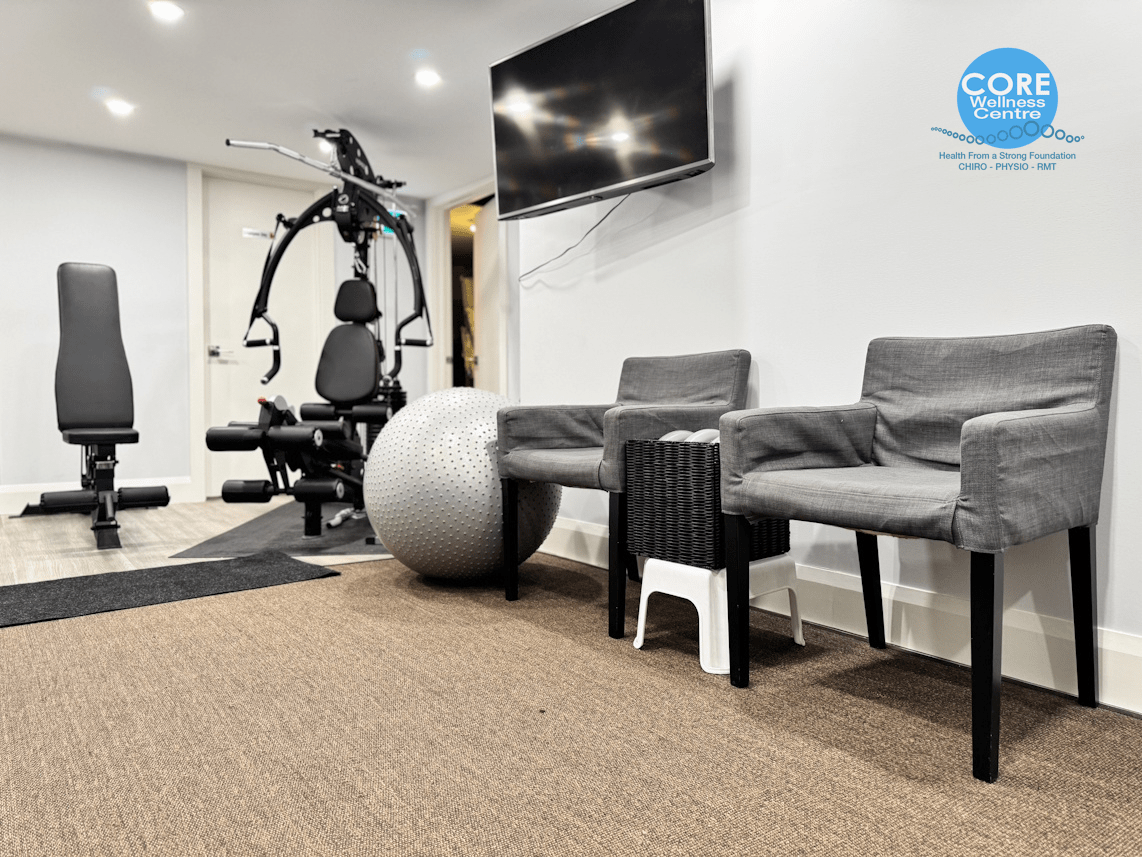
How does physiotherapy improve mobility? It’s a cornerstone of mobility restoration. A skilled physiotherapy mobility clinic can assess your specific mobility limitations and develop a personalized treatment plan to address the underlying causes. The physiotherapist’s initial assessment involves far more than simply measuring the range of motion at an injured joint.
A comprehensive physiotherapy mobility assessment includes:
- Evaluation of how tissues feel during passive movement (to assess tissue quality, restrictions, and pain response)
- Measurement of active range of motion (to determine what you can control)
- Assessment of strength and stability throughout the available range
- Analysis of functional movement patterns (to identify compensations and dysfunctions)
- Evaluation of how various movement patterns reproduce your symptoms
Common techniques used at a mobility physiotherapy clinic to improve mobility include:
- Soft tissue mobilization: Releasing tension and restrictions in muscles, ligaments, and fascia
- Joint mobilization: Restoring proper joint mechanics and reducing pain
- Therapeutic exercise: Strengthening muscles and improving control throughout the range of motion
How to Restore Mobility with Physiotherapy: Key Techniques
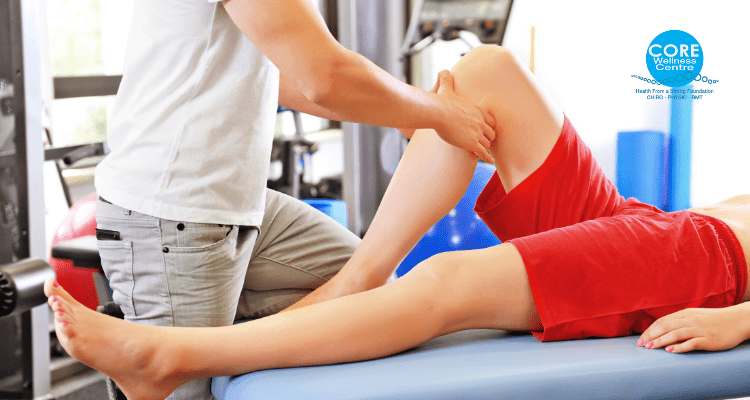
One of the primary ways how physiotherapy helps with mobility is through soft tissue mobilization. This encompasses a variety of hands-on techniques designed to release tension and restrictions in muscles, ligaments, tendons, and fascia.
By applying specific pressure to restricted or dysfunctional tissue and moving the tissue through ranges of motion, a physiotherapist can stimulate the tissue’s healing response, break down excessive or disorganized scar tissue, improve local circulation, and restore normal tissue function.
Manual RMT massage: Applying sustained pressure or massage strokes to break down adhesions and improve circulation. The pressure applied helps stimulate local inflammatory responses that promote healing, increase blood flow to improve oxygen and nutrient delivery to the tissue, and mechanical disruption of adhesions between tissue layers.
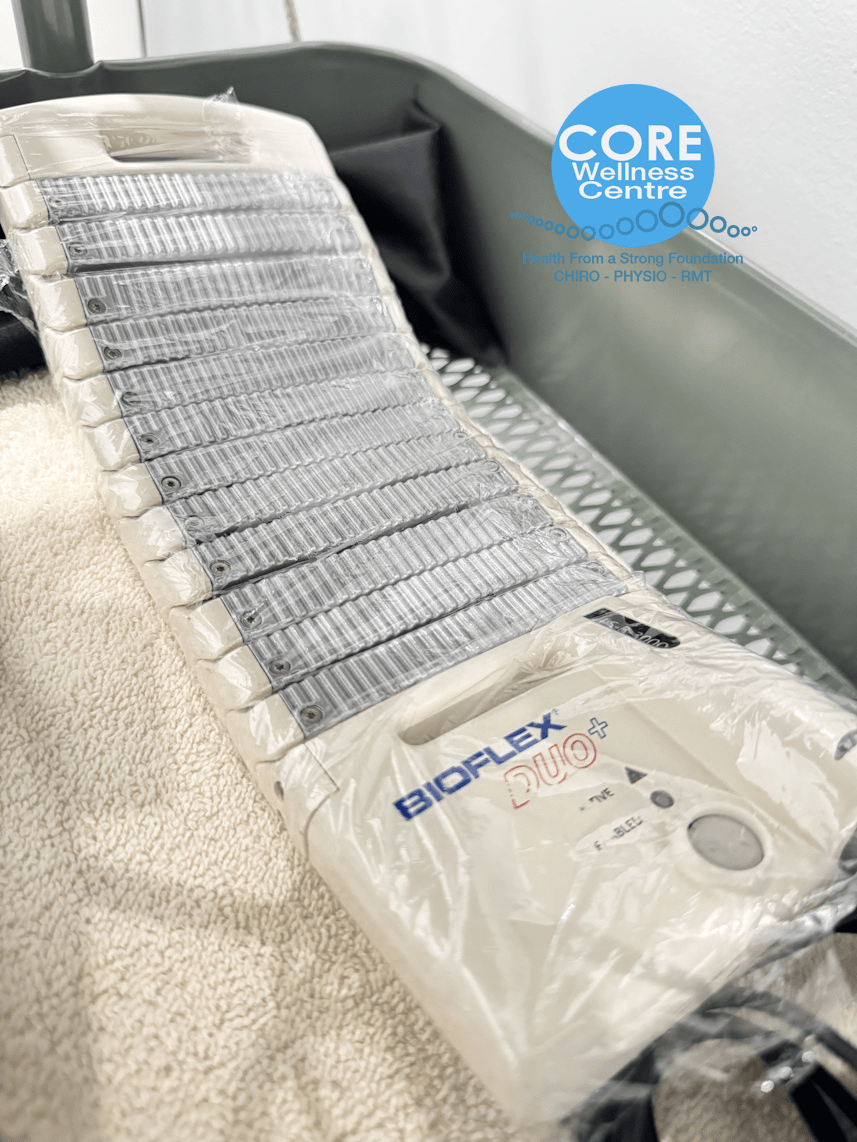
Advanced Therapeutic Technologies: Our mobility physiotherapy clinic utilizes cutting-edge treatment modalities to enhance your recovery:
Cold Laser Therapy: Using focused light wavelengths to penetrate deep into tissues and stimulate cellular healing, accelerating tissue repair and reducing inflammation without medication.
Shockwave Therapy: Using high-energy acoustic waves to break down calcifications and scar tissue, stimulating the body’s natural healing response for long-lasting pain relief.
Therapeutic Ultrasound: Using high-frequency sound waves to deliver deep heat therapy, increasing blood circulation and enhancing tissue extensibility to prepare for manual therapy and exercise.
Activator Adjustments: Using a specialized handheld instrument to deliver precise, low-force adjustments that restore proper joint alignment without the twisting or “cracking” of traditional chiropractic manipulation.
These advanced technologies provide several advantages over conventional treatments; they target tissues at the cellular level for faster healing; offer non-invasive, pain-free alternatives to medication; and provide precise, measurable therapeutic effects that complement hands-on physiotherapy techniques.
Myofascial release: Addressing the fascia, the connective tissue that surrounds muscles and organs, to release tension and improve physiotherapy mobility. Myofascial release techniques and Osteopathy, apply sustained gentle pressure to areas of fascial restriction, while therapists typically waiting for the sensation of release as the fascia gradually relaxes and allows improved mobility.
Research demonstrates that soft tissue techniques improve flexibility, reduce pain, enhance circulation, and facilitate faster recovery from injury when combined with appropriate exercise programming.
Joint Mobilization: Restoring Proper Joint Mechanics
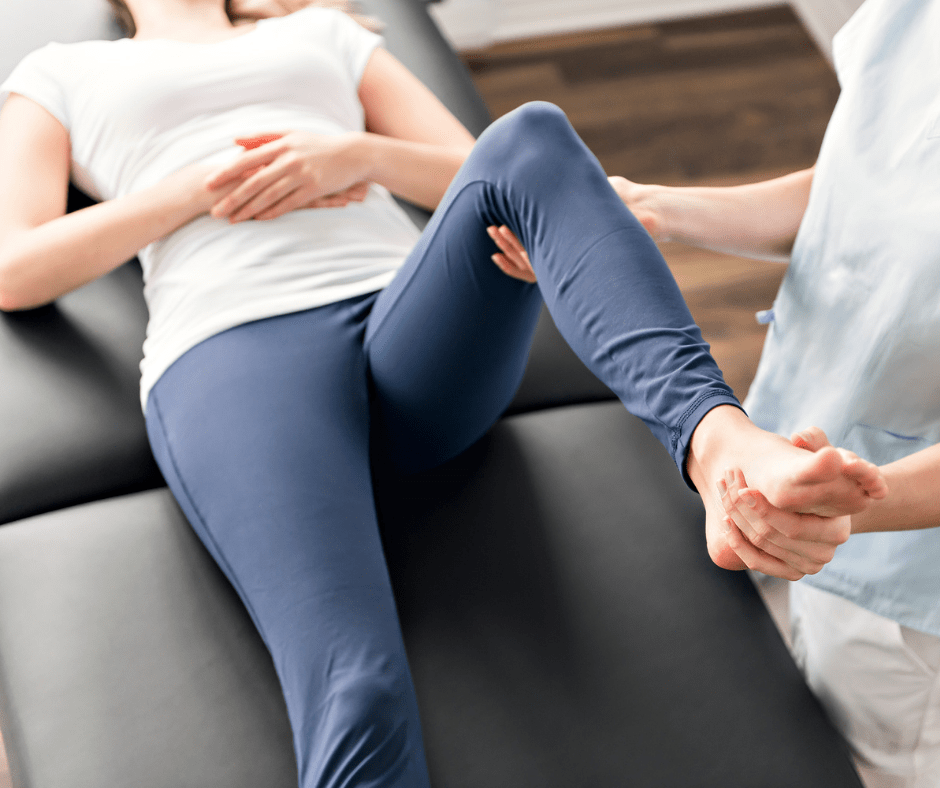
Understanding how does physiotherapy improve mobility requires knowledge of joint mobilization. This technique involves a therapist applying graded, controlled movements to a joint in specific directions to improve joint mechanics, reduce pain, and restore lost motion.
Different grades of joint mobilization: Physiotherapists classify joint mobilizations by grade, or intensity level.
Grade I and II mobilizations involve small-amplitude movements within the current range of motion or just at the limits of current range, primarily designed to reduce pain through stimulation of mechanoreceptors in the joint and surrounding tissues.
Grade III and IV mobilizations involve larger amplitude movements designed to stretch tight joint capsule restrictions and increase the available range of motion.
How does physiotherapy help with mobility through joint mobilization? It works by:
- Restoring proper joint alignment
- Reducing stiffness and improving range of motion
- Stimulating joint receptors that signal the nervous system to alter pain perception and muscle guarding
Important Note: Joint mobilizations should only be performed by a qualified physiotherapist at a professional mobility physiotherapy clinic who can assess joint mechanics and apply appropriate force safely.
Therapeutic Exercise: Strengthening and Stabilizing
When learning how to restore mobility with physiotherapy, therapeutic exercise is crucial for restoring mobility and preventing re-injury. Targeted exercises strengthen muscles, improve control, and restore stability throughout the range of motion.
Therapeutic exercise differs from general fitness exercise in that each movement is specifically prescribed to address identified impairments, progress according to healing timelines and capacity, and directly contribute to your return-to-function goals.
Examples of physiotherapy mobility exercises for specific areas:
- Shoulder: Pendulum exercises, rotator cuff strengthening, and scapular stabilization exercises
- Knee: Quadriceps strengthening, hamstring curls, and balance exercises
- Ankle: Calf raises, balance exercises, and resistance band exercises
- Neck: Gentle range of motion exercises, isometric strengthening, and postural correction exercises
Remember proper form and progression are key to success in physiotherapy mobility restoration.
Struggling with limited mobility after an injury?
You don’t have to navigate recovery alone. We offer Direct Billing and Facilitate WSIB and MVA Claims for you.
CALL us on (416) 479 – 8311 TODAY
or simply book online below
Working with Physiotherapy Mobility Clinic in Toronto
At Core Wellness Centre, our experienced physiotherapists are dedicated to helping you regain your mobility and return to your active lifestyle. We provide personalized treatment plans tailored to your specific needs and goals.
Our comprehensive approach includes:
- Thorough assessment to identify the underlying causes of your mobility limitations
- Hands-on treatment techniques to release tension and restore joint mechanics
- Targeted exercises to strengthen muscles and improve control
- Education and self-care strategies to empower you to manage your condition and prevent re-injury
Mobility restoration after injury is a crucial step towards regaining your quality of life and returning to the activities you love. By understanding the importance of mobility, utilizing effective physiotherapy techniques, and incorporating self-care strategies, you can reclaim your movement and achieve lasting results.
When you visit our mobility physiotherapy clinic, you’ll receive expert guidance on how to restore mobility with physiotherapy through evidence-based techniques and personalized care.
Your path to pain-free movement starts here. Whether you’re recovering from a sports injury or car accident, our expert physiotherapists at Core Wellness Centre are ready to help you restore your mobility and get back to the activities you love.
Schedule your consultation today and discover how personalized physiotherapy can transform your recovery.
Book online or call us on (416) 479 – 8311