
Whether you’re a competitive athlete, weekend warrior, or fitness enthusiast, understanding that muscle injury treatment and recovery are just as important as training itself is crucial to your success.
You can have the perfect workout plan, but without proper recovery strategies, you’re leaving performance gains on the table, and potentially setting yourself up for injury.
Many athletes equate recovery with rest, but science shows that a combination of active techniques and professional treatments accelerate your body’s natural healing processes.
Here we’ll explore evidence-based muscle injury techniques and sports injury prevention strategies that can transform your athletic performance.
From understanding the difference between active and passive recovery to discovering cutting-edge treatment modalities, you’ll learn how to optimize your body’s regeneration process and return to sport safely after injury.
Don’t let a muscle injury sideline you any longer. At Core Wellness Centre, we offer direct billing and facilitate WSIB and MVA claims
CALL us on (416) 479 – 8311 TODAY or simply book online below
The Physiology of Muscle Injury Recovery

When you train hard, you’re essentially creating controlled damage to your muscles, depleting energy stores, and stressing your nervous system. Muscle injury recovery is when the magic happens, your body doesn’t just repair this damage; it adapts and becomes stronger.
During recovery, several critical processes occur simultaneously. Muscle protein synthesis kicks into high gear, repairing damaged muscle fibers and building new ones.
Glycogen replenishment restores your energy reserves, which can take 24-48 hours depending on training intensity, and inflammation reduction is a natural part of healing, while the central nervous system recovery allows your brain and nerves to recuperate from the demands of coordinating complex movements.
Active Recovery vs. Passive Recovery: Choosing the Right Approach
One of the most common questions athletes ask is: “Should I rest completely or stay active on recovery days?” The answer depends on your training intensity, goals, and where you are in your training cycle.
Understanding Passive Recovery
Passive recovery means complete rest – no structured exercise or training. It’s most appropriate when you’re recovering from intense competition, dealing with acute injury, experiencing signs of overtraining, or need a mental break after completing a major training cycle.
The benefits are clear: complete tissue healing, full nervous system reset, and psychological rejuvenation. However, extended passive recovery can lead to deconditioning and increased stiffness.
The Power of Active Recovery
Active recovery involves low-intensity movement that promotes blood flow without creating additional training stress. Effective activities include easy swimming, light cycling at 30-50% of maximum effort, gentle yoga, or walking at a conversational pace.
The science behind active recovery is compelling. Light movement for muscle injury recovery enhances circulation, helping remove metabolic waste products while delivering oxygen and nutrients to recovering tissues.
It also maintains neuromuscular patterns without creating fatigue and can actually decrease delayed onset muscle soreness (DOMS).
Strategic Recovery Planning
Athletes use both approaches strategically:
Use active recovery when you are:
- Between moderate training sessions
- In a high-volume training phase
- Want to maintain movement quality
- Feeling stiff but not exhausted
Many athletes benefit from a mixed approach of rest and recovery for muscle injury recovery, which is one full rest day per week combined with 1-2 active recovery sessions.
Evidence-Based Recovery Treatments for Athletes
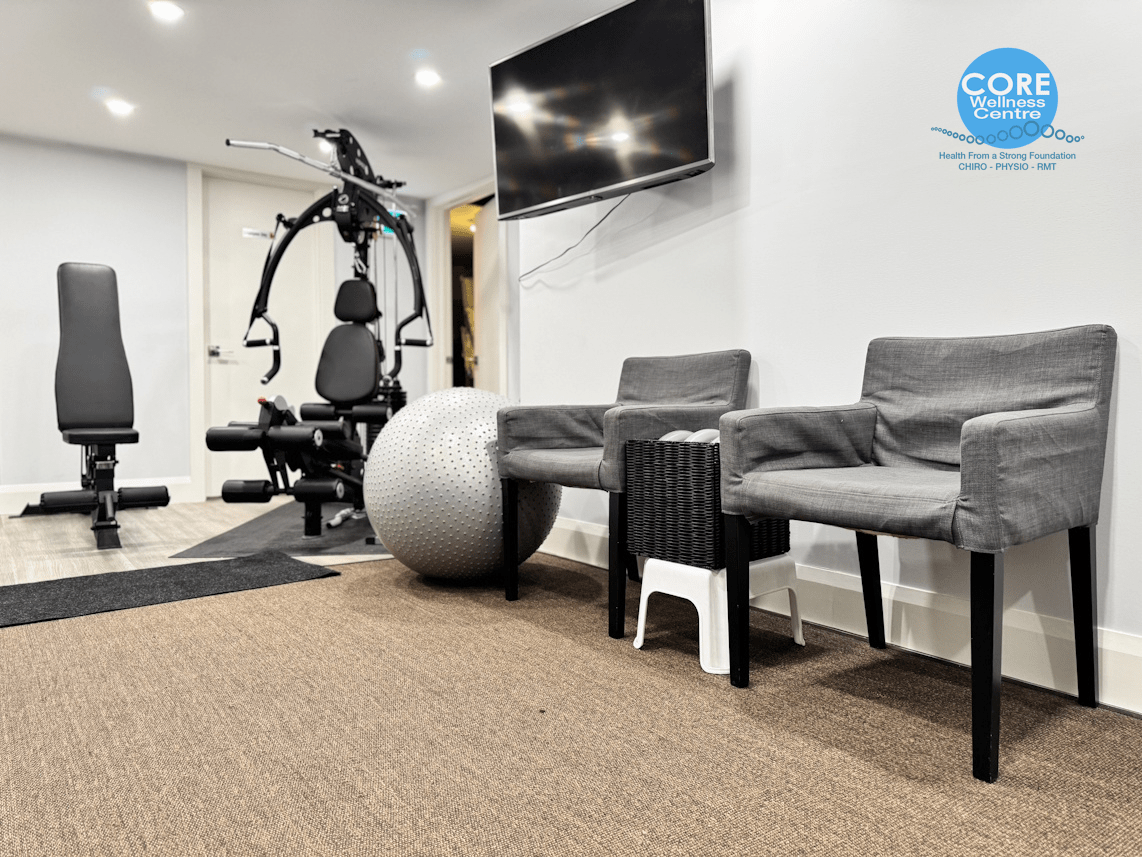
While self-care strategies are important, professional recovery modalities at Core Wellness Centre, can significantly accelerate healing and enhance performance. Here are several evidence-based treatments specifically designed for athletes and active individuals.
Chiropractic Care for Athletic Performance
Chiropractic care optimizes spinal alignment and nervous system function, which directly impacts coordination, power output, and reaction time. Joint mobility improvements extend beyond the spine to your entire kinetic chain, shoulders, hips, knees, and ankles.
Research shows athletes receiving regular chiropractic care experience improvements in power output, agility, and reaction time.
Physiotherapy and Functional Movement
Physiotherapy takes a clinical approach to movement, identifying and correcting dysfunction at its root. Comprehensive movement assessments reveal compensatory patterns, strength imbalances, and mobility restrictions that contribute to injury risk.
Sport rehabilitation protocols ensure you’re not just recovering, you’re returning stronger. Personalized exercise programs are progressive and periodized, addressing your specific limitations while building toward performance goals.
Registered Massage Therapy (RMT) for Athletic Recovery
Sports massage and therapeutic techniques offer specific benefits for active individuals. Deep tissue massage releases chronic tension, while myofascial release addresses the fascial system that can restrict movement when tight. Trigger point therapy targets specific points of muscle tension that refer pain to other areas.
For muscle injury recovery with RMT, a post-workout massage can accelerate recovery, though deep tissue work is best scheduled on lighter training days.
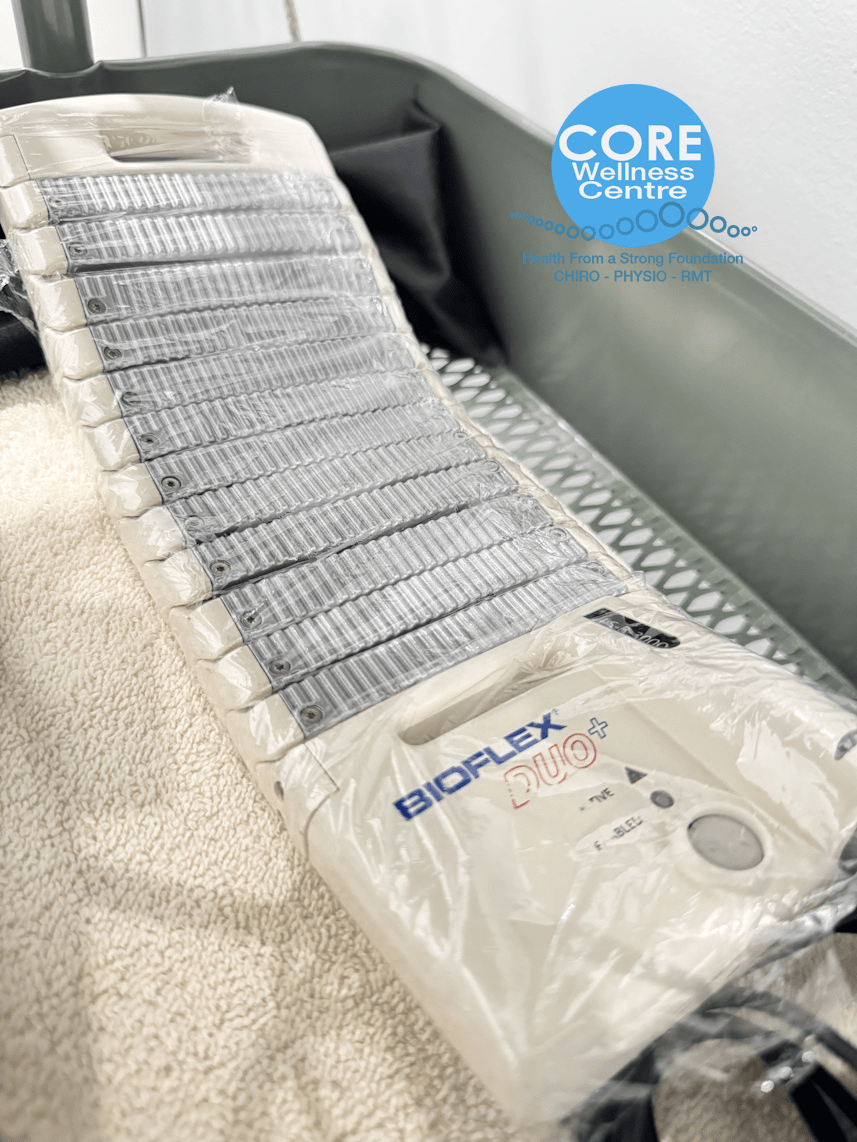
Cold laser therapy (LLLT) is an active program for muscle injury recovery
Cold Laser Therapy (Low-Level Laser Therapy)
Cold laser therapy uses specific wavelengths of light to accelerate healing at the cellular level. When laser light penetrates tissue, it stimulates ATP production, enhances cellular metabolism, and triggers anti-inflammatory responses.
Benefits include reduced inflammation, accelerated tissue repair, decreased pain without medication, and improved circulation. It’s ideal for acute injuries, post-surgical recovery, inflammatory conditions, and muscle fatigue, with virtually no contraindications for healthy athletes.
Shockwave Therapy for Stubborn Injuries
Shockwave therapy (ESWT) is a game-changer for chronic injuries that haven’t responded to traditional treatment. High-energy acoustic waves create a controlled inflammatory response at the cellular level, essentially “rebooting” the healing process.
Best applications include Achilles tendinopathy, patellar tendinopathy, plantar fasciitis, tennis elbow, chronic hamstring strains, and scar tissue. Many conditions offer a success rate of 60-80% for significant improvement.
Personalized Exercise Programs
Well-designed exercise programs form the foundation of long-term athletic development, and at Core Wellness Centre, our personalized muscle injury recovery programs provide exercises for a return to function and movement, as well as strengthening for injury prevention. Ongoing monitoring ensures continuous improvement and prevents stagnation.
Recognizing and Preventing Overtraining Syndrome

Overtraining syndrome occurs when training stress exceeds your body’s recovery capacity for an extended period. It’s more than just being tired, it’s a systemic breakdown affecting multiple body systems.
Warning Signs of Overtraining
Performance indicators:
- Persistent decline in performance despite consistent training
- Inability to complete previously manageable workouts
- Decreased power output, speed, or endurance
- Frequent minor injuries
Physiological symptoms:
- Elevated resting heart rate (5-10+ beats above baseline)
- Persistent muscle soreness beyond 72 hours
- Increased susceptibility to illness
- Hormonal disruptions
Prevention Strategies
Regular monitoring helps catch problems early. Track resting heart rate, heart rate variability, subjective wellness (mood, energy, sleep quality), and performance metrics. Working with professionals provides objective guidance and helps adjust your program before problems develop.
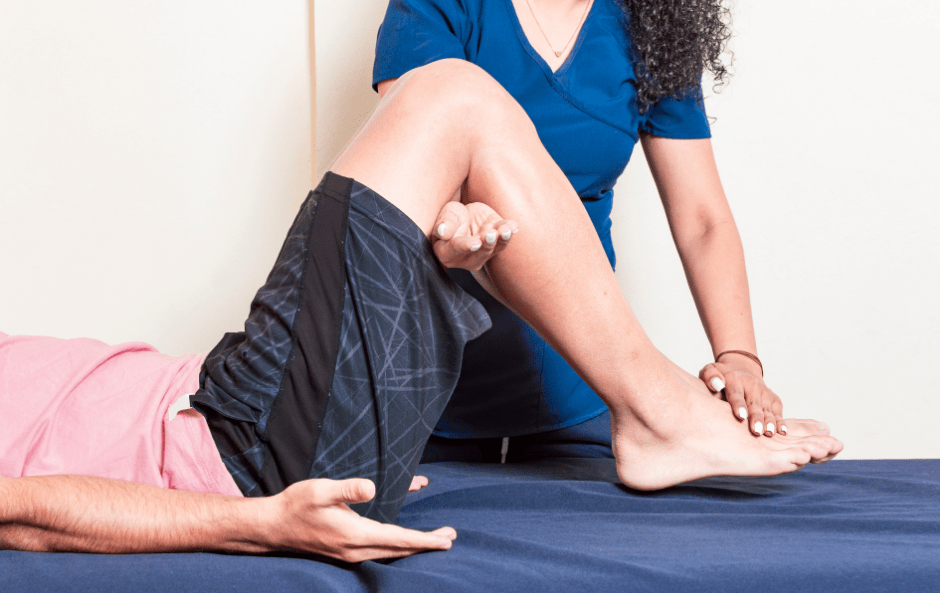
Return to Sport: A Physiotherapy-Guided Approach
Returning to sport after injury requires patience, proper progression, and professional guidance. Athletes who return without completing proper rehabilitation have a 2-3 times higher risk of re-injury.
The Return-to-Sport Continuum
Phase 1: Initial Recovery and Pain Management Focus on protecting injured tissue, controlling pain and inflammation, maintaining cardiovascular fitness through alternative activities, and early mobility work within pain-free ranges.
Phase 2: Restoring Range of Motion and Strength Progressive mobility exercises restore full range of motion. Foundational strength building begins with isometric exercises and progresses to resistance training. Neuromuscular re-education retrains the communication between your nervous system and muscles.
Phase 3: Sport-Specific Training Movement pattern retraining ensures correct mechanics under increasing demands. Agility and plyometric progression reintroduces explosive movements systematically. Sport-specific drills at increasing intensity bridge the gap between rehabilitation and full participation.
Phase 4: Return to Full Training Gradual volume and intensity increases follow structured progression, starting at 25% of normal training volume and increasing by 10-25% weekly. Monitoring for setbacks distinguishes normal training discomfort from warning signs.
Assessing Your Current Recovery Practices
Start with honest self-assessment:
- How many hours of sleep are you getting nightly?
- Do you have dedicated recovery days in your training schedule?
- Are you incorporating both active and passive recovery?
- When was your last professional assessment?
- Do you have a plan for managing training load?
Optimize Your Recovery, Maximize Your Performance
Recovery isn’t downtime, it’s when your body adapts, strengthens and prepares for your next challenge. This principle helps one stay healthy, improve consistently and achieve their goals.
Key takeaways:
✓ Active recovery promotes healing through movement, while passive recovery provides complete rest, use both strategically
✓ Professional modalities like chiropractic care, physiotherapy, RMT massage therapy, shockwave therapy, and cold laser therapy accelerate recovery and prevent injuries
✓ Overtraining prevention requires monitoring, adequate rest, and respecting your body’s signals
✓ Return-to-sport protocols guided by physiotherapy ensure safe, successful comebacks from injury
✓ Personalized recovery plans that integrate multiple approaches deliver the best results
The difference between good athletes and great athletes often comes down to recovery. Elite performers don’t just train harder, they recover smarter.
Tired of recurring muscle injuries holding you back? Contact Core Wellness Centre in Toronto for evidence-based treatment.
We offer Direct Billing and facilitate WSIB and MVA claims
CALL us on (416) 479 – 8311 TODAY
Ready to Take Your Recovery to the Next Level?
At Core Wellness Centre in Toronto, our integrated team of chiropractors, physiotherapists, and registered massage therapists specializes in helping athletes and active individuals optimize recovery and prevent injuries.
Book a comprehensive assessment today and discover how our evidence-based approach to recovery can transform your athletic performance.
Frequently Asked Questions About Athletic Recovery
How often should athletes get RMT massage?
The ideal frequency depends on your training volume and intensity. During heavy training blocks, weekly RMT sessions can improve recovery and prevent overuse injuries.
Competitive athletes often increase frequency leading up to major events, and our RMT can help determine the optimal schedule based on your specific needs and training demands.
Can I train while receiving shockwave therapy?
Yes, but with modifications. You can continue training during shockwave therapy treatment, but you should avoid high-intensity work on the affected area for 48 hours after each session.
This allows the healing response to develop without interference. Your physiotherapist will provide specific guidelines based on your injury and sport. Many athletes schedule shockwave sessions on lighter training days or before rest days to optimize results.
What’s the difference between physiotherapy and chiropractic care for athletes?
Both are valuable and complementary. Physiotherapy focuses on movement dysfunction, rehabilitation from injury, and building strength and mobility through exercise-based interventions.
Chiropractic care emphasizes spinal alignment, joint mobility, and nervous system optimization through manual adjustments. Many athletes benefit from both, chiropractic care optimizes your structure and nervous system function, while physiotherapy addresses movement patterns and builds functional capacity.
At Core Wellness Centre, our integrated approach combines both for optimal results.
When can I return to sport after an injury?
There’s no universal timeline, as it depends on the injury type, severity, and your individual healing response. Return-to-sport decisions should be based on objective criteria, not arbitrary timelines.
Your physiotherapist guides this process through structured rehabilitation phases and objective testing. Rushing back increases re-injury risk significantly.
Is cold laser therapy safe for all injuries?
Cold laser therapy is extremely safe with very few contraindications. It’s appropriate for most muscle-body injuries, including acute sprains, chronic tendinopathies, muscle strains, and post-surgical recovery.
Your practitioner will screen for contraindications during your initial assessment. The treatment is non-invasive, pain-free, and has no known side effects when used appropriately.