
How Chiropractic Care and Physiotherapy MVA Treatment, Helps for
Recovery After a Car Accident
A car accident can shake you up in more ways than one. Even if the collision felt “minor,” it’s common to notice symptoms days later…neck stiffness that wasn’t there yesterday, a headache that won’t quit, or low back pain that makes sitting at work miserable.
If you’re searching for MVA treatment in Toronto, you’re likely looking for two things: relief that feels real, and a plan that helps you get your normal life back.
At Core Wellness Centre, we commonly help people recover after a motor vehicle accident (MVA) using a combination of chiropractic care, physiotherapy, and (when appropriate) supportive modalities like cold laser therapy and shockwave therapy.
Below is an easy-to-understand guide to what you may be feeling, why it happens, and how the right treatment approach can make recovery smoother.
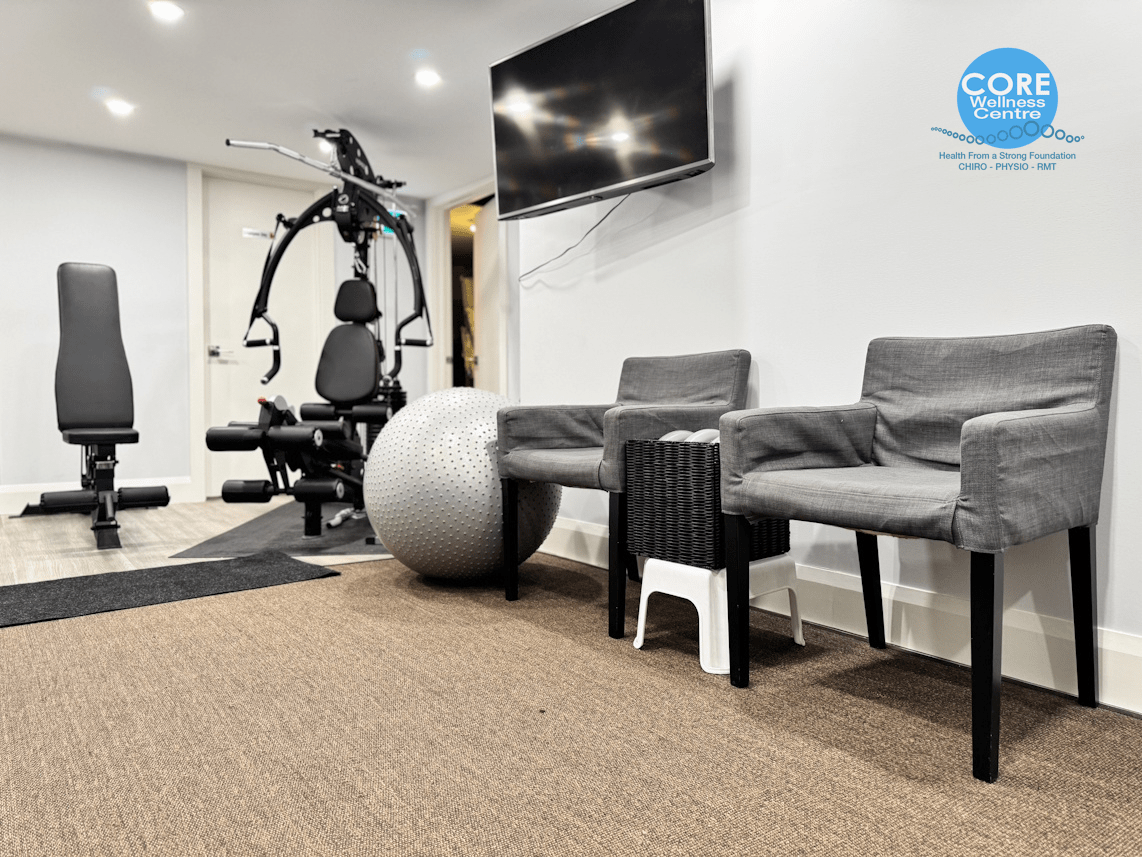
Core Wellness Centre in Toronto offers a multi-discipline car accident treatment for your wellness needs.
Been in a car accident? Don’t wait for symptoms to “settle.”
Book an MVA assessment at Core Wellness Centre and get a personalized plan. We offer Direct Billing and Facilitate Claims
CALL us on (416) 479 – 8311 TODAY
or simply book online below
Why You Can Feel “Fine” After an Accident… and Then Not Fine at All
After a collision, your body goes into survival mode. Adrenaline can mask pain, and you might be more focused on getting home safely than noticing subtle injuries. But over the next 24–72 hours, inflammation and muscle guarding can build.
That’s why people often experience delayed symptoms like:
- Neck pain and stiffness
- Headaches (often at the base of the skull)
- Shoulder pain or upper back tightness
- Low back pain
- Dizziness or lightheadedness
- Reduced range of motion
- Muscle spasms
- Pins and needles or radiating discomfort (in some cases)
Getting assessed early is important, not just for comfort, but also for documentation and a clear treatment timeline if you’re navigating auto insurance.

Common Car Accident Injuries We See in MVA Rehab

1) Whiplash (Neck Strain/Sprain)
Whiplash is one of the most common MVA injuries, especially in rear-end collisions. Your head moves quickly forward and backward, pushing the neck beyond its usual range.
Common whiplash symptoms include:
- Neck pain, stiffness, limited turning
- Headaches
- Upper back or shoulder tension
- Fatigue, brain fog, trouble concentrating (in some cases)
- Whiplash isn’t always visible on imaging, but that doesn’t mean it’s “nothing.” It’s often a real soft tissue injury involving muscles, joints, and irritated nerves.
2) Soft Tissue Injuries (Sprains, Strains, Contusions)
Soft tissue injuries affect the muscles, ligaments, and tendons. You might feel sore, bruised, weak, or unstable. These injuries can also change how you move—creating compensation patterns that lead to ongoing pain if not addressed.
3) Low Back and Pelvic Injuries
Even when the pain starts in the neck, many people also develop lower back pain after a car accident. The force of impact travels through the spine and pelvis, and prolonged sitting (driving, desk work) can aggravate symptoms.
4) More Serious Injuries (When Medical Referral Is Needed)
If there’s suspicion of fracture, concussion, or significant neurological symptoms, medical assessment comes first. From there, rehab often becomes part of the recovery plan.
Why Choose Core Wellness Centre for MVA Treatment

How Chiropractic Care Helps After a Car Accident
Chiropractic care focuses on the spine, joints, nervous system function, and how your body is moving overall. After an accident, joints can become stiff, muscles may tighten to “protect” an area, and movement patterns can become altered.
Chiropractic treatment after an MVA may include:
- Gentle spinal or joint mobilization/adjustments (when appropriate)
- Soft tissue techniques to ease muscle tension
- Posture and movement guidance
- Recommendations to support recovery between visits
Many people seek chiropractic care because they want help with:
- Neck pain and headaches
- Mid-back or low back pain
- Stiffness and reduced mobility
- Pain that “lingers” despite rest
A good post-accident chiropractic plan is not one-size-fits-all…it should be adapted to your symptoms, comfort level, and stage of healing.
What Physiotherapy Does for MVA Recovery (And Why It Matters)
Physiotherapy is often the backbone of MVA rehabilitation because it builds function back—step by step. While early sessions may focus on pain relief and restoring basic movement, the long-term goal is improving strength, stability, and confidence in your body again.
Physio after a car accident can include:
- Manual therapy (hands-on work for joints and soft tissues)
- Gradual mobility and range-of-motion exercises
- Strengthening for the neck, core, hips and shoulders
- Balance and coordination drills (especially if you feel unsteady)
- Education on pacing, posture, and daily activity modifications
In other words: physiotherapy doesn’t just help things “feel better”, it helps you move better, so symptoms are less likely to come back when you return to normal routines.
Why Combining Chiropractic + Physiotherapy Often Works Better
If you’re looking for MVA treatment in Toronto, one of the most practical questions is: Do I need chiropractic or physio?
For many people, the answer is both, because they complement each other.
Chiropractic care can be helpful for restoring joint mechanics and reducing stiffness.
Physiotherapy strengthens the muscles and movement patterns that keep those improvements stable over time.
Together, they can support:
- Faster reduction of pain and stiffness
- Improved range of motion
- Better posture and movement confidence
- Fewer flare-ups as you return to work, exercise, and daily life
At Core Wellness Centre, we coordinate care so your plan feels connected, not like you’re doing random treatments that don’t build toward something.
Cold Laser Therapy and Shockwave Therapy
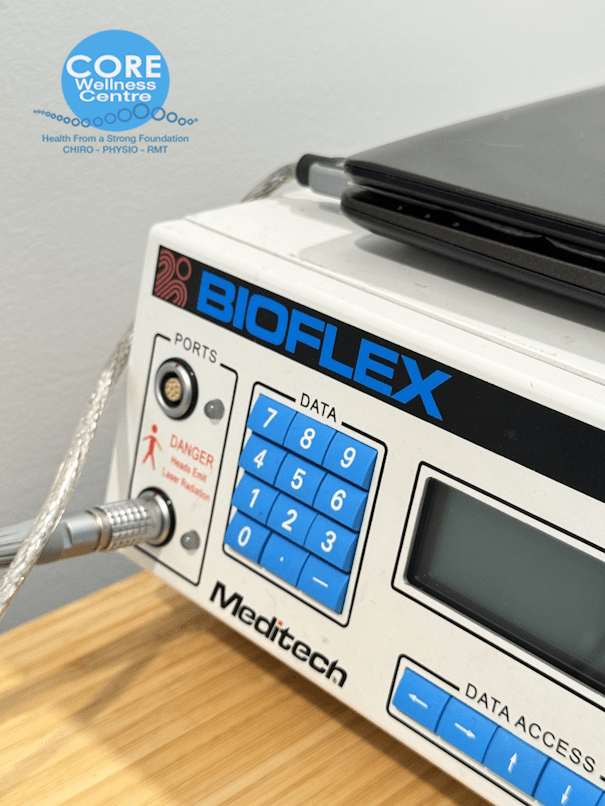
Depending on your symptoms and tissue involvement, your plan may include additional modalities to support healing.
Cold Laser Therapy (Low-Level Laser Therapy)
Cold laser therapy is often used to help with pain reduction, inflammation management, and tissue healing. Many patients describe it as comfortable and gentle, useful in early or sensitive stages of recovery.
Shockwave Therapy
Shockwave therapy is typically used for more stubborn, persistent tissue issues (for example, chronic tendon pain). In some post-accident cases, especially when pain becomes chronic, shockwave may be considered as part of a broader plan.
At Core Wellness Centre, we will recommend what makes sense based on your assessment and how your symptoms evolve.
Even low-speed collisions can cause whiplash and soft tissue injuries.
If you’re dealing with neck pain, headaches, or back stiffness after an accident, our team can assess what’s going on and guide you through MVA treatment in Toronto, step by step.
CALL us on (416) 479 – 8311 TODAY
or simply book online below
When to Book an Assessment at Core Wellness Centre
Consider booking an assessment if you have:
- Neck or back pain after a collision
- Headaches that started after the accident
- Stiffness, reduced mobility, or trouble sleeping due to discomfort
- Pain that’s getting worse instead of better
- Symptoms that interfere with work, driving, or daily tasks
Even if you’re “not sure it’s serious,” an assessment can help catch issues early and prevent compensation patterns that lead to longer-term problems.
Ready for MVA Treatment in Toronto?
Recovering from an accident can feel like a lot, physically, mentally, and logistically. The right care plan can reduce that overwhelm and give you a steady path forward.
If you’re looking for MVA treatment in Toronto, Core Wellness Centre offers chiropractic care, physiotherapy, cold laser therapy, and shockwave therapy to support your recovery with a coordinated, patient-focused approach.