
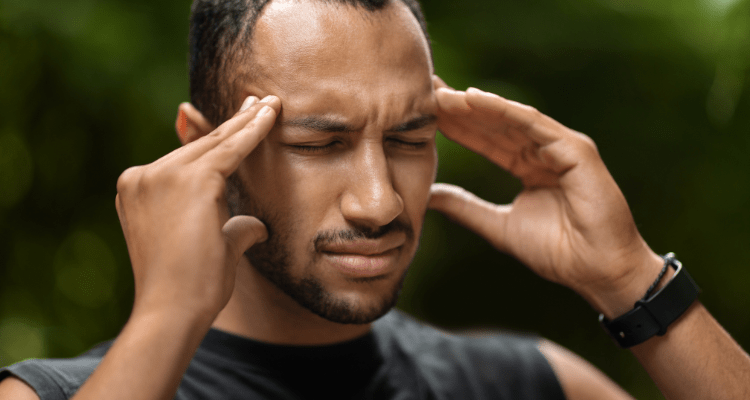
A headache after a car accident can make it difficult to concentrate, sleep or return to your usual routine. If your neck also feels sore or stiff, you may assume that whiplash explains the headache. Neck injury can contribute to head pain, but other causes need consideration too.
Headaches after whiplash need assessment rather than an assumption about their cause. The same incident can injure the neck and cause a concussion, and the symptoms can overlap. Having neck pain does not rule out a brain injury.
This guide explains when medical attention should come first, what to discuss during an assessment and how care for neck-related concerns may fit into a broader recovery plan.
When Does a Headache After an Accident Need Emergency Care?
Toronto’s Sunnybrook Health Sciences Centre explains the signs of concussion and symptoms requiring immediate attention. A routine chiropractic or physiotherapy appointment should not delay emergency evaluation.
If you have already attended an emergency department, follow the discharge instructions. Seek reassessment if symptoms worsen or new concerns appear.
What Do People Mean by “Whiplash Headaches”?
“Whiplash headaches” is a common way to describe headaches that follow a sudden neck injury. The phrase does not establish a single diagnosis or identify the treatment you need.
A clinician may consider whether your neck contributes to the headache, whether it has migraine-like or tension-type features, and whether concussion or another condition needs assessment. More than one factor can be present.
For the broader care process, read our guide to whiplash assessment, treatment and returning to daily activities.
Neck-related headache
A headache arising from a disorder of the neck is sometimes called a cervicogenic headache. Neck pain, restricted movement or symptoms associated with particular movements may prompt a clinician to investigate a possible neck contribution.
Those findings alone do not confirm the diagnosis. A headache at the base of the skull should not automatically be attributed to a “misalignment.”
Headache following concussion
Headache can also occur after a concussion. Canadian guidance from Parachute recommends medical assessment for a suspected concussion.
Our article on whiplash versus concussion explains why symptoms such as headache, dizziness and difficulty concentrating cannot reliably distinguish the two injuries on their own.
Overlapping concerns
Ontario’s Living Concussion Guidelines recognize that neck pain can accompany concussion and interfere with recovery. This supports assessing both concerns rather than assuming that all symptoms come from either the neck or the brain. Living Concussion Guidelines
What Should You Tell Your Healthcare Provider?
Explain when the headache began, how it compares with any headaches you experienced before the incident and how it affects your activities.
Useful details include:
- Where you feel the pain and how it feels.
- How often headaches occur and how long they last.
- Whether you also experience nausea, light sensitivity or dizziness.
- Whether neck movement or particular activities change the symptoms.
- Which medicines you have taken and how often.
- Any changes in sleep, concentration or ability to work.
Mention all symptoms, including those that seem unrelated to your neck. If you also have arm symptoms, our article on numbness, tingling and arm pain after whiplash explains why prompt assessment matters.
What Might a Headache Assessment Include?
The assessment should follow your history and symptoms. Ontario’s Living Concussion Guidelines patient information on post-traumatic headache describes possible neurological, neck, jaw, balance and vision examinations.
You will not necessarily need every examination. The findings help determine whether medical investigation, rehabilitation or referral to another professional is appropriate.
Bring previous medical instructions, investigation reports and a medication list. You can also review what to expect at your first visit to Core Wellness Centre before a clinic appointment.
Keep a Simple Headache Diary
A brief record can help you describe patterns without having to remember every episode.
Record the date, approximate duration, associated symptoms, medicines taken and any activity that appeared to change the headache. Include its practical effect, such as needing to stop reading or leave work early.
Ontario’s Living Concussion Guidelines recommend bringing a headache diary to appointments. Their patient guidance also advises contacting your primary healthcare provider if symptoms are not improving after one to two weeks; worsening symptoms need earlier attention.
How Are Headaches After Whiplash Managed?
Care depends on the assessment. A headache with a significant neck contribution may require a different approach from a migraine-like headache or a headache associated with concussion.
Ontario’s clinical guidance recommends examining neurological and musculoskeletal factors and identifying potential contributors. It also recommends considering referral when headaches remain inadequately controlled.
This means the plan should explain which concerns each professional is addressing, what progress would look like and when the approach will be reviewed. It should not begin with a standard package of treatments for everyone.
Physiotherapy for an identified neck concern
Where assessment supports neck rehabilitation, discuss the purpose of the proposed exercises, activity advice or hands-on care. Ask how the plan relates to your headache and daily activities.
Learn more about physiotherapy assessment at Core Wellness Centre on St Clair West.
Chiropractic assessment and care
If you consult a chiropractor, describe the headache and any medical findings before treatment. Ask why a proposed approach suits your circumstances and discuss its potential benefits, risks and alternatives.
Our Toronto chiropractic care page explains the service. Care for an appropriate musculoskeletal concern should not be presented as treatment for every possible cause of post-injury headache.
Ontario’s referral guidance emphasizes choosing a regulated healthcare professional according to the likely source of the symptoms and their scope of practice.
How Long Can Headaches After an Injury Last?
There is no single recovery timetable. Canadian patient guidance describes headaches that settle within days or weeks and others that continue for months or longer.
Persistent symptoms deserve review. They do not establish that your neck has healed in the wrong position or that you caused the problem by failing to start treatment early.
Discuss whether headaches are becoming less frequent, less disruptive or easier to manage. Those details can help your healthcare provider review the plan. concussionsontario.org
Our separate article about whiplash recovery time discusses the broader recovery question. Your headache still needs assessment on its own merits.
Planning Your Follow-Up
Before leaving an appointment, make sure you understand the next steps.
Ask which activities you can continue, what to modify temporarily and whom to contact if symptoms change. For work, describe the actual tasks you need to perform rather than discussing only a job title.
For example, reading at a desk, lifting equipment and driving between appointments create different demands. Ask for advice that reflects your symptoms and responsibilities.
If the plan is not helping, bring your headache diary and examples of activities that remain difficult to the follow-up appointment.

Assessment at Core Wellness Centre in Toronto
Core Wellness Centre is located at 726 St Clair Ave W, serving Toronto’s St Clair West neighbourhood and surrounding communities.
If medical assessment indicates that outpatient care for a neck or movement concern is appropriate, contact the clinic to discuss an appointment. Each regulated practitioner completes their own assessment and recommends care within their professional scope.
Learn about the clinic’s care following a motor vehicle accident. For billing questions, review the payment and insurance information and confirm your responsibilities before treatment. Insurance approval and reimbursement are not guaranteed.
Health Information Disclaimer
This article provides general educational information and does not replace medical assessment, diagnosis or individualized healthcare advice. Recommendations depend on your symptoms, examination findings and the responsible practitioner’s scope.
Canadian Sources and Further Reading
- Sunnybrook Health Sciences Centre, Toronto: Signs of a Concussion and What to Do About It
- Parachute: Concussion
- Living Concussion Guidelines: Post-Traumatic Headache—Patient Information
- Living Concussion Guidelines: Post-Traumatic Headache—Clinical Recommendations
- Living Concussion Guidelines: Referral Indicators