
If you’ve experienced chronic whiplash injury, chances are you’ve been dealing with neck pain for longer than you ever expected. Maybe it’s been four months since your car accident, maybe it’s been a year. Perhaps you’ve tried multiple treatments and have seen different practitioners, and you’re starting to wonder if this is just your new normal.
While most people recover from whiplash within a few months, research shows that 20-30% develop chronic symptoms that persist beyond the typical healing window.
If that’s you, it doesn’t mean you did something wrong or that you’re somehow failing at recovery, it means your nervous system needs a different approach.
Experiencing whiplash neck pain? Book Your Comprehensive Assessment Today.
We offer Direct Billing and Facilitate WSIB and MVA Claims
CALL us on (416) 479 – 8311 TODAY
or simply book online below
What Is Chronic Whiplash?

Defined in the medical community, whiplash is generally considered “chronic” when symptoms persist beyond 3-6 months after the initial injury, but it isn’t just about the timeline, it’s also about the nature of the symptoms as well.
Chronic whiplash (also called Whiplash-Associated Disorder or WAD) can include:
- Persistent neck pain and stiffness that doesn’t respond to typical treatments
- Headaches that originate from the neck (cervicogenic headaches)
- Shoulder and upper back pain that radiates or feels constant pain
- Reduced range of motion that limits daily activities
- Cognitive symptoms like difficulty concentrating, memory issues, or brain fog
- Dizziness or balance problems that affect your confidence moving through space
- Sleep disturbances related to pain or discomfort
- Fatigue that goes beyond normal tiredness
Aside from structure of the head, neck and shoulders, could also have changes in how the nervous system processes and responds to signals in the body.
Risk Factors for Chronic Whiplash

Whiplash injuries can look similar on the surface, but recovery isn’t always straightforward. Some people feel better within weeks, while others continue to deal with pain and symptoms months… or even years later. Then, why is there a difference?
Research identifies several key factors that can increase the risk of developing chronic whiplash symptoms. Understanding these can make a meaningful difference in how recovery is approached.
One of the strongest predictors is the intensity of symptoms early on. People who experience more severe pain in the first few weeks, especially when it’s combined with headaches, dizziness, or difficulty concentrating… are more likely to have ongoing issues.
This isn’t pain tolerance, as it reflects how strongly the nervous system is reacting to the injury.
Timing of care also plays a crucial role.
The early phase after a whiplash injury is a window of opportunity, and then if the treatment is delayed, whether that’s because of limited access, insurance complications, or a “wait and see” approach… the body can start to develop protective movement patterns, and over time, these patterns can become ingrained and harder to change.
History matters, as well, and if you’ve had previous neck injuries, recurring headaches, or ongoing neck tension before the accident, your system may already be more sensitive. In a sense, the body “remembers” past strain, which can influence how it responds to a new injury.
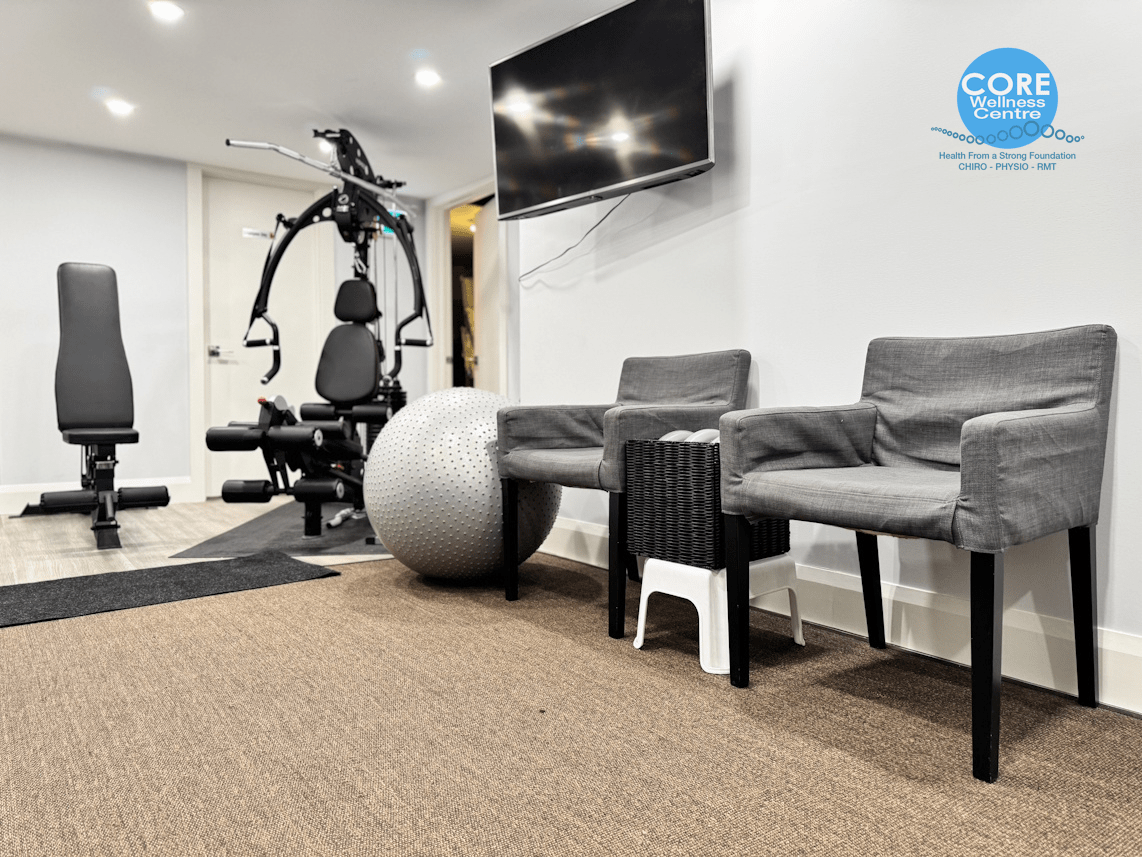
Physiotherapy and a personalized exercise program at Core Wellness Centre.
Gradual, guided movement with our personalized physiotherapy rehabilitation program and active movement strategies, supports better long-term outcomes and help with lingering stress and disruption to daily life.
At Core Wellness Centre, we facilitate navigating insurance claims and processes, providing necessary documentation and reports.
The Science Behind Persistent Whiplash Pain
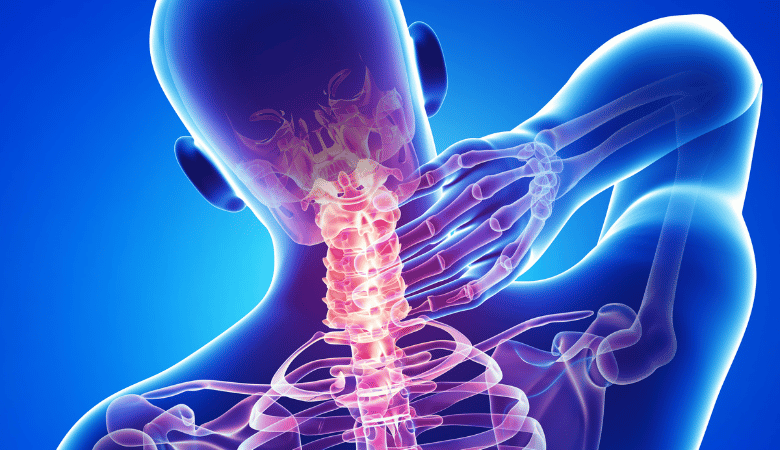
When pain persists beyond the normal healing time for soft tissues, usually 3 to 6 months, something fundamental changes in how your nervous system works. This process is called central sensitization, and it is one of the most important concepts to understand if you are living with chronic whiplash.
What Is Central Sensitization?
Think of your nervous system as an alarm system designed to protect you from danger. In an acute injury, this alarm is helpful. It tells you to rest, avoid certain movements, and seek treatment. But sometimes, especially after a traumatic injury like whiplash, the alarm system becomes oversensitive.
Central sensitization means your nervous system has effectively “turned up the volume” on pain signals, so that the brain and spinal cord become more reactive to input from the body.
This helps explain why chronic whiplash symptoms, including persistent neck pain, headaches, shoulder tension, and even cognitive difficulties sometimes called “whiplash brain fog,” can continue long after the original injury has healed.
Treatment Approaches for Chronic Whiplash
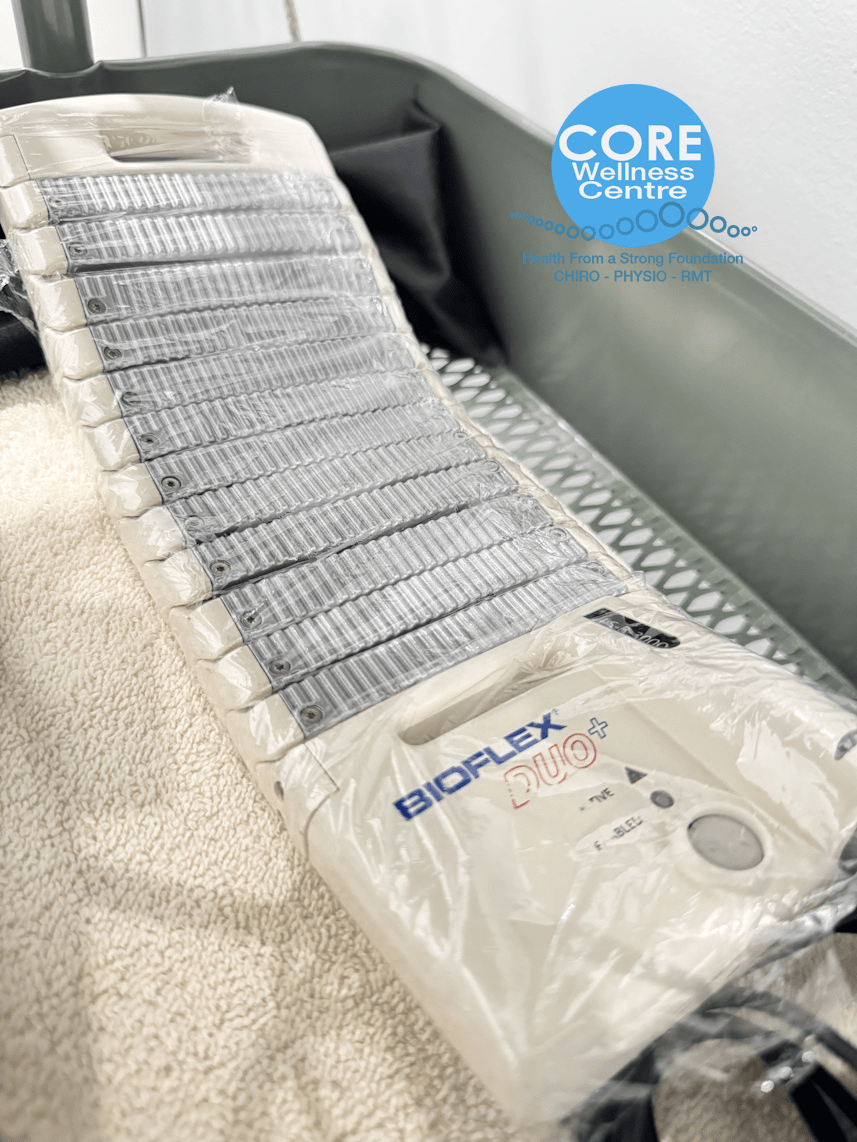
Cold Laser Therapy, available at Core Wellness Centre
Chronic whiplash responds well to a multidisciplinary approach that addresses both the physical and neurological aspects of persistent pain.
What makes our approach at Core Wellness Centre different is that we have a coordinated care from multiple specialists who communicate with each other and align their treatment plans to your full recovery.
Physiotherapy:
- Detailed movement assessment to identify patterns
- Graded exercise programs tailored to your current capacity
- Manual therapy techniques to address soft tissue and joint restrictions
- Education about pain science and self-management strategies
- Functional retraining for activities that matter to you
Chiropractic Care:
- Gentle spinal adjustments that respect nervous system sensitivity
- Assessment and treatment of joint restrictions throughout the cervical and thoracic spine
- Postural analysis and correction strategies
- Integration with your physiotherapy exercise program
- Education about the relationship between spinal health and nervous system function
Registered Massage Therapy (RMT) and Osteopathy:
- Fascial release techniques to address soft tissue restrictions
- Release persistent muscle tension
- Lymphatic drainage to reduce inflammation
- Relaxation techniques that calm your nervous system
- Treatment of tensing in the shoulders, upper back, and jaw
Book Your Comprehensive Assessment Today.
We offer Direct Billing and Facilitate WSIB and MVA Claims
CALL us on (416) 479 – 8311 TODAY
or simply book online below
Ready to Take the Next Step?
Don’t let chronic whiplash pain to get in the way, with the right approach and the right team, you can find your way back to daily activities you love.
Book your assessment today and start your journey toward lasting relief from chronic whiplash pain.
Core Wellness Centre is located in Toronto and offers direct billing, WSIB facilitation, and comprehensive multidisciplinary care for chronic whiplash and persistent neck pain.
Our professional team of chiropractors, physiotherapists, osteopathy and RMT massage specializes in evidence-based treatment for whiplash-associated pain conditions.