
Advanced Muscle Recovery Strategies for Athletes and Active Individuals
Most athletes spend hours planning their training, mapping out sets, reps, distances, and intensity. But when it comes to recovery, it can get treated like an afterthought. A rest day here, a good sleep there, maybe a hot bath after a tough session.
The truth about muscle recovery, is that it isn’t just the break between training sessions, it’s also where your actual gains happen. Your muscles don’t grow during a workout, they grow during the recovery, and for example, your body doesn’t get faster during the race, it gets faster when it has time to adapt afterward.
The athletes who consistently perform at their best, stay injury-free, and improve year over year have one thing in common: they treat recovery as seriously as they treat training.
In this guide, we’ll walk you through recovery techniques used by professional athletes and sports practitioners.
From understanding the science of muscle repair to mastering active recovery, and where chiropractic care, physiotherapy and RMT massage play a part, this is your complete roadmap to recovering smarter and performing better.
Your muscles work hard for you, give them the recovery they deserve.
Book a personalized assessment at Core Wellness Centre in Toronto.
We offer direct billing and facilitate WSIB and MVA Claims
CALL us on (416) 479 – 8311 TODAY or simply book online below
What Actually Happens When Your Muscles Recover?

Before diving into strategies, it helps to understand what’s going on inside your body during recovery, because once you understand the process, you won’t skip a recovery day the same way again.
Muscle Repair at the Cellular Level
When you exercise, especially resistance training, sprinting, or high-intensity sport, you create microscopic tears in your muscle fibers. This isn’t a bad thing. It’s the trigger your body needs to rebuild stronger.
After training, satellite cells (your muscle’s repair crew) rush to the damaged fibers, and they fuse with existing muscle tissue, initiating protein synthesis and laying down new, stronger muscle fibers. This process is called muscle remodeling, and it is what makes you stronger, faster, and more resilient over time.
But here’s the catch… this repair process requires time, energy, and the right conditions, if you push too hard too soon and you interrupt the process. Give your body what it needs and you come back stronger.
The Recovery Timeline
Recovery isn’t a single event – it unfolds in stages:
Immediate recovery (0–2 hours): Your heart rate normalizes, breathing steadies, and your body begins clearing metabolic waste like lactic acid
Short-term recovery (2–48 hours): Glycogen stores replenish, protein synthesis peaks, and inflammation begins to resolve
Long-term recovery (days to weeks): Structural adaptations solidify – your muscles, connective tissue, and nervous system all strengthen in response to the training stimulus
This is the supercompensation principle, your body doesn’t just return to baseline after stress, it rebuilds slightly above baseline, which is how fitness improves over time. Skip the recovery phase and you skip the adaptation.
Active vs. Passive Recovery: Knowing Which One Your Body Needs
One of the most common recovery questions athletes ask is: Should I rest completely or keep moving on off days? The answer isn’t one or the other, it’s knowing when to use each.
What Is Passive Recovery?
Passive recovery means full rest, so no structured training or intentional exercise. Your body gets a complete break from physical stress.
This phase is appropriate when:
- You’re recovering from an acute injury or illness
- You’ve just completed a high-intensity competition or peak training block
- You’re showing signs of accumulated fatigue or early overtraining
- You genuinely need mental and physical restoration
Passive recovery allows complete tissue healing and full nervous system reset, however, extended periods of complete rest can lead to deconditioning and increased stiffness, so it works best when used strategically rather than as a default.
What Is Active Recovery?
Active recovery involves low-intensity movement that promotes circulation without adding training stress, think of it as helping your body heal, and not challenging it.
Effective active recovery options include:
- Easy walking or light hiking
- Gentle cycling at 30–50% of maximum effort
- Low-intensity swimming or aqua jogging
- Restorative yoga or mobility flow
- Light stretching routines
The science behind active recovery is solid, gentle movement increases blood flow, which accelerates the removal of metabolic waste and delivers fresh oxygen and nutrients to damaged tissue.
It also reduces muscle stiffness and can significantly decrease delayed onset muscle soreness (DOMS) compared to complete rest.
How to Choose the Right Approach
The best training programs incorporate both: typically one full rest day and one to two active recovery sessions per week.
Recovery Techniques That Actually Accelerate Healing

Passive rest and easy movement are great starting points, but professional recovery modalities can take your healing to a completely different level.
RMT Massage Therapy
RMT Massage therapy is one of the most well-researched and widely used recovery techniques in sport. But it’s not just about feeling good—it has measurable physiological benefits.
Deep tissue massage targets deeper layers of muscle and fascia, releasing chronic tension and breaking up adhesions that restrict movement, and sports massage uses specific techniques to prepare muscles before activity and flush metabolic waste after training.
Myofascial release addresses fascial restrictions that can alter movement patterns and contribute to pain, and rigger point therapy targets concentrated knots of muscle tension that refer discomfort to other areas of the body.
Timing matters. Post-workout massage within two hours can reduce DOMS and support faster recovery. For deeper, more intensive work, scheduling sessions on lighter training days allows your body to respond without compromising your next hard session.
Sleep: The Most Underrated Recovery Tool
If there’s one recovery strategy that outperforms everything else, it’s sleep. No ice bath, no massage, no supplement replaces what quality sleep does for your body.
What Happens During Sleep
Sleep is when your body does its most critical repair work:
- Growth hormone peaks during deep sleep, driving muscle protein synthesis and tissue regeneration
- The central nervous system recovers and recalibrates neuromuscular coordination
- Inflammatory markers decrease, and immune function strengthens
- Memory consolidation improves motor patterns and skill retention
Shortcut your sleep and you shortcut every other recovery strategy you’re using.
How Much Sleep Do Athletes Need?
While the general population guideline is 7–9 hours, competitive and recreational athletes often need 8–10 hours for full recovery, and research on elite athletes has shown that sleep extension (adding 30–60 minutes beyond normal) improves speed, reaction time, mood, and reduces injury rates.
Overtraining: How to Recognize It Before It Sidelines You
Overtraining syndrome is one of the most preventable, and most common causes of injury and performance decline in athletes.
Understanding the signs early is everything.
What Is Overtraining Syndrome?
Overtraining occurs when training stress consistently exceeds your body’s capacity to recover. It’s more than just feeling tired after a hard week. It’s a systemic breakdown that affects your muscles, hormones, immune system, and mental health.
It’s important to distinguish between:
- Functional overreaching – a planned, short-term spike in training load that leads to supercompensation when followed by proper recovery. This is intentional and manageable.
- Overtraining syndrome – chronic, unmanaged fatigue where performance declines despite rest. Recovery takes weeks to months.
Chiropractic Care for Athletic Recovery
Proper spinal alignment plays a direct role in how efficiently your nervous system communicates with your muscles. When vertebrae are restricted or misaligned, that communication gets disrupted, and this could affect coordination, power output, and your body’s ability to recover effectively.
Regular chiropractic adjustments help restore joint mobility throughout your entire kinetic chain, not just your spine, but your hips, shoulders, and knees too, reducing compensation movement patterns that quietly lead to overuse injuries over time.
For athletes, it’s one of the most proactive sports injury prevention tools available.
Physiotherapy for Muscle Recovery and Performance
Physiotherapy goes beyond treating injuries, it’s a powerful tool for keeping you healthy, moving well, and performing at your best.
At Core Wellness Centre, our physiotherapists will assess your movement patterns, identify strength imbalances, and address the root cause of recurring pain or tightness rather than just managing symptoms.
Whether you’re recovering from a strain, dealing with persistent soreness, or preparing for a return to sport, a personalized physiotherapy plan gives your body the structure it needs to heal properly and come back stronger.
Combined with targeted exercise programming and hands-on manual therapy, physiotherapy is one of the most effective muscle recovery techniques for athletes at every level.
Warning Signs to Watch For
Performance signals:
- Plateau or unexplained decline in performance
- Inability to complete workouts that previously felt manageable
- Slower times, reduced strength, or decreased endurance
Physical signals:
- Elevated resting heart rate (5–10+ beats above your normal baseline)
- Persistent soreness lasting beyond 72 hours
- Frequent minor injuries or recurring niggles
- Increased susceptibility to illness
Psychological signals:
- Loss of motivation or enthusiasm for training
- Irritability, mood swings, or anxiety
- Sleep disturbances despite feeling exhausted
- Mental fog or difficulty concentrating
If you’re experiencing symptoms across multiple categories, it’s time to reassess your training and recovery balance.
Muscle Strain and Sprain Prevention Strategies
- Follow the 10% rule: Never increase weekly training volume by more than 10% from one week to the next
- Build in deload weeks: Every 3–4 weeks, reduce volume by 30–40% to allow supercompensation
- Track objective markers: Resting heart rate, HRV, and subjective wellness scores give early warning
- Respect life stress: Your body doesn’t separate training stress from work, relationship, or financial stress—it all accumulates
- Work with a professional: A physiotherapist, coach, or chiropractor can monitor your training load and intervene before problems develop
Training Smarter: How Periodization Keeps You Healthy and Progressing
Periodization is simply organized, intentional variation in your training over time. It’s the framework that prevents overtraining, builds fitness systematically, and ensures you peak when it matters most.
The Basics of Periodization
Training is broken into structured blocks:
- Macrocycle: Your overall training year or season
- Mesocycle: 4–12 week training blocks focused on specific goals (base building, strength, speed, competition)
- Microcycle: Your weekly training schedule, including training and recovery days
Each block builds on the previous one, with recovery strategically built in throughout.
Building Recovery Into Your Training Plan
Recovery isn’t something you schedule when you’re injured—it’s built into every level of your plan:
- Weekly: 1 full rest day + 1–2 active recovery sessions
- Monthly: One deload week every 3–4 weeks with reduced volume and intensity
- Seasonally: An off-season recovery phase to reset physically and mentally before the next training cycle
Tracking and Adjusting Your Plan
The best training plans are flexible. Use these metrics to guide adjustments:
- Heart Rate Variability (HRV): Low HRV suggests your nervous system needs more recovery
- Resting heart rate: A consistently elevated baseline signals accumulated fatigue
- Session RPE (Rate of Perceived Exertion): If workouts feel much harder than they should, reduce load
When your data and your body tell you the same thing—listen.
The Athlete’s Dilemma: Training Through It vs. Taking a Day Off
This is one of the hardest judgment calls in sport. The competitive mindset pushes you to train through discomfort. But knowing when to pull back is a skill—and it can save your season.
Signs It’s Safe to Train
- Mild, general muscle soreness (classic DOMS) – manageable with a reduced intensity session
- Normal mood, motivation, and energy levels
- No localized joint pain, swelling, or acute injury signs
- Resting heart rate within 5 beats of your normal baseline
Signs You Should Rest
- Sharp, localized pain – always stop and assess
- Significant joint swelling that hasn’t resolved within 48 hours
- Resting heart rate elevated by 5–10+ beats
- Combination of poor sleep, low mood, and high fatigue
- Any injury that hasn’t improved with 7–10 days of self-care
The Middle Ground: Active Recovery Days
When you’re somewhere in between—not fresh, not injured—active recovery is your best option. Structure these days with:
- 20–40 minutes of low-intensity movement
- Mobility and flexibility work
- Breathwork or light yoga
- A RMT massage, physiotherapy session, or time in compression
Start Recovering Like the Athlete You Want to Become
Recovery is not the opposite of training, it’s the completion of it. Every workout you do is an investment. Sleep, nutrition, active recovery, and professional treatment are what allow that investment to pay off.
Here’s what to take with you from this guide:
- Recovery is a process – understand your timeline and work with it, not against it
- Use active recovery to promote healing and passive recovery to reset completely
- Therapeutic modalities like RMT massage, chiropractic care, and physiotherapy meaningfully accelerate muscle recovery
- Prioritize nutrition, hydration, and sleep – they’re non-negotiables, not extras
- Recognize overtraining early and build deload weeks into your training plan
- Periodization ensures you’re managing fatigue intelligently across weeks, months, and seasons
- Know when to push and when to rest – both are skills worth developing
The difference between good athletes and great athletes isn’t always how hard they train, often, it’s how intelligently they recover.
Ready to Optimize Your Recovery?
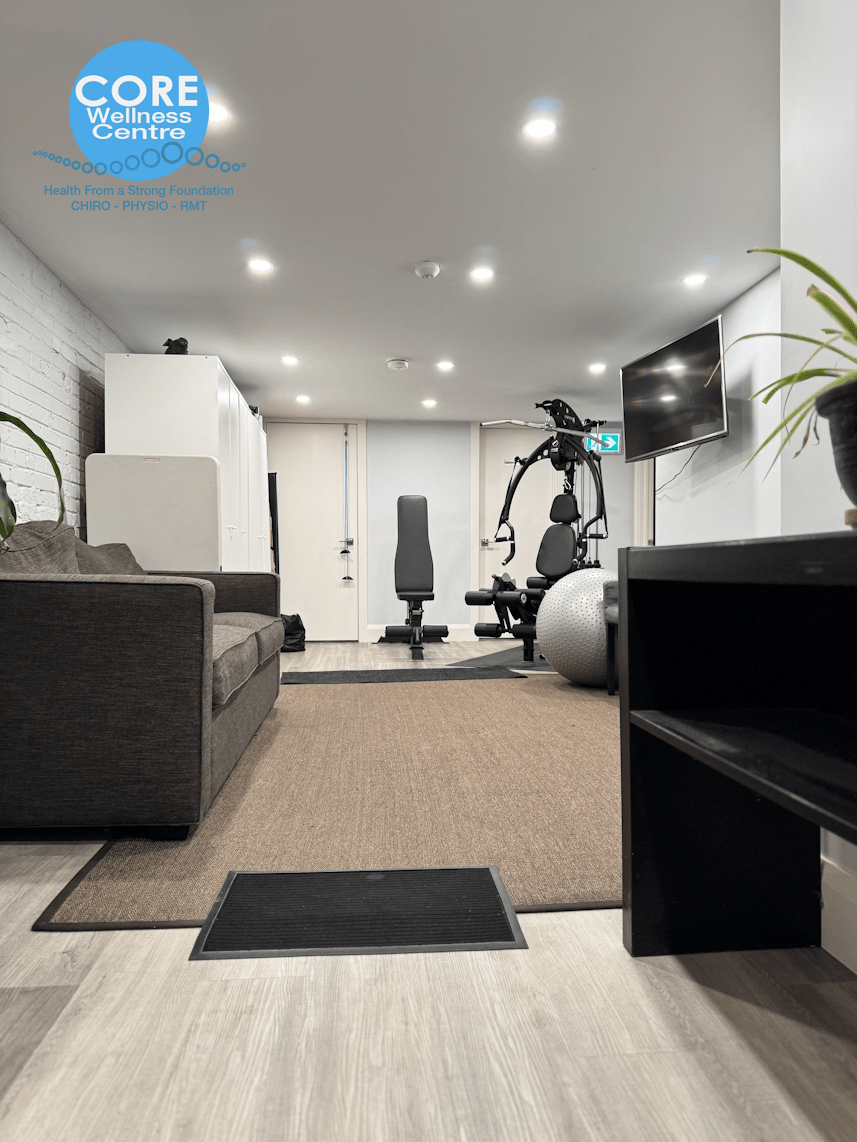
At Core Wellness Centre in Toronto, our integrated team of physiotherapists, chiropractic care, osteopathy, and RMT registered massage therapists works together to help athletes and active individuals recover faster, prevent injuries, and perform at their best.
Whether you’re dealing with a current injury, hitting a performance plateau, or simply want to stay healthy and active long-term – we’re here to build a personalized recovery plan that works.
Book your comprehensive assessment today and take the first step toward performing – and feeling your best.
Your muscles work hard for you, give them the recovery they deserve. Book a personalized assessment at Core Wellness Centre in Toronto.
We offer direct billing and facilitate WSIB and MVA Claims
CALL us on (416) 479 – 8311 TODAY or simply book online below
Frequently Asked Questions About Muscle Recovery
How long does muscle recovery take after a hard workout?
For most people, 24–72 hours is the typical recovery window after a hard session. The exact timeline depends on training intensity, volume, your fitness level, and how well you support recovery through sleep, nutrition, and hydration.
Beginners often experience longer recovery periods early on; as your body adapts to training stress, recovery becomes faster and more efficient.
Is active recovery better than complete rest?
It depends on the situation. For most training days, active recovery is more beneficial than complete rest, it promotes blood flow, reduces stiffness, and helps clear metabolic waste without adding training stress.
However, passive (complete) rest is appropriate after high-intensity competition, acute injury, or when you’re showing signs of overtraining. Ideally, your weekly plan includes both.
What’s the best recovery technique for sore muscles?
There’s no single “best” technique, the most effective approach combines multiple strategies. Light movement (active recovery), massage therapy, compression, adequate sleep, and proper hydration all play complementary roles.
For post-training soreness specifically, contrast therapy and massage have strong research support for reducing DOMS and accelerating recovery time.
Can contrast therapy replace ice baths for recovery?
Yes, for most athletes contrast therapy is equally effective—and more comfortable. While ice baths focus exclusively on reducing inflammation through cold exposure, contrast therapy adds the benefit of alternating vascular response, which helps flush waste products more actively.
Both approaches work well; contrast therapy is simply more accessible and easier to maintain consistently as a regular practice.
How do I know if I’m overtraining?
Watch for a combination of symptoms across multiple areas: performance decline despite consistent training, persistent fatigue, elevated resting heart rate, mood changes, disrupted sleep, and frequent minor injuries.
A single symptom can have many causes, but multiple symptoms occurring together is a strong signal that your recovery isn’t keeping pace with your training. Track your resting heart rate and HRV daily for objective data to support what you’re feeling subjectively.
How does periodization help prevent injuries?
Periodization prevents injuries by managing cumulative fatigue over time. Rather than training at the same high intensity indefinitely – which steadily increases injury risk – periodized plans alternate between demanding blocks and lighter recovery phases.
This allows tissues to repair and strengthen before being stressed again. Planned deload weeks, off-season phases, and progressive loading all reduce the likelihood of overuse injuries that develop when the body never gets adequate time to fully recover.
This article is intended for educational purposes. If you are experiencing pain, injury, or health concerns, please consult a qualified healthcare professional before beginning any new recovery or training program.